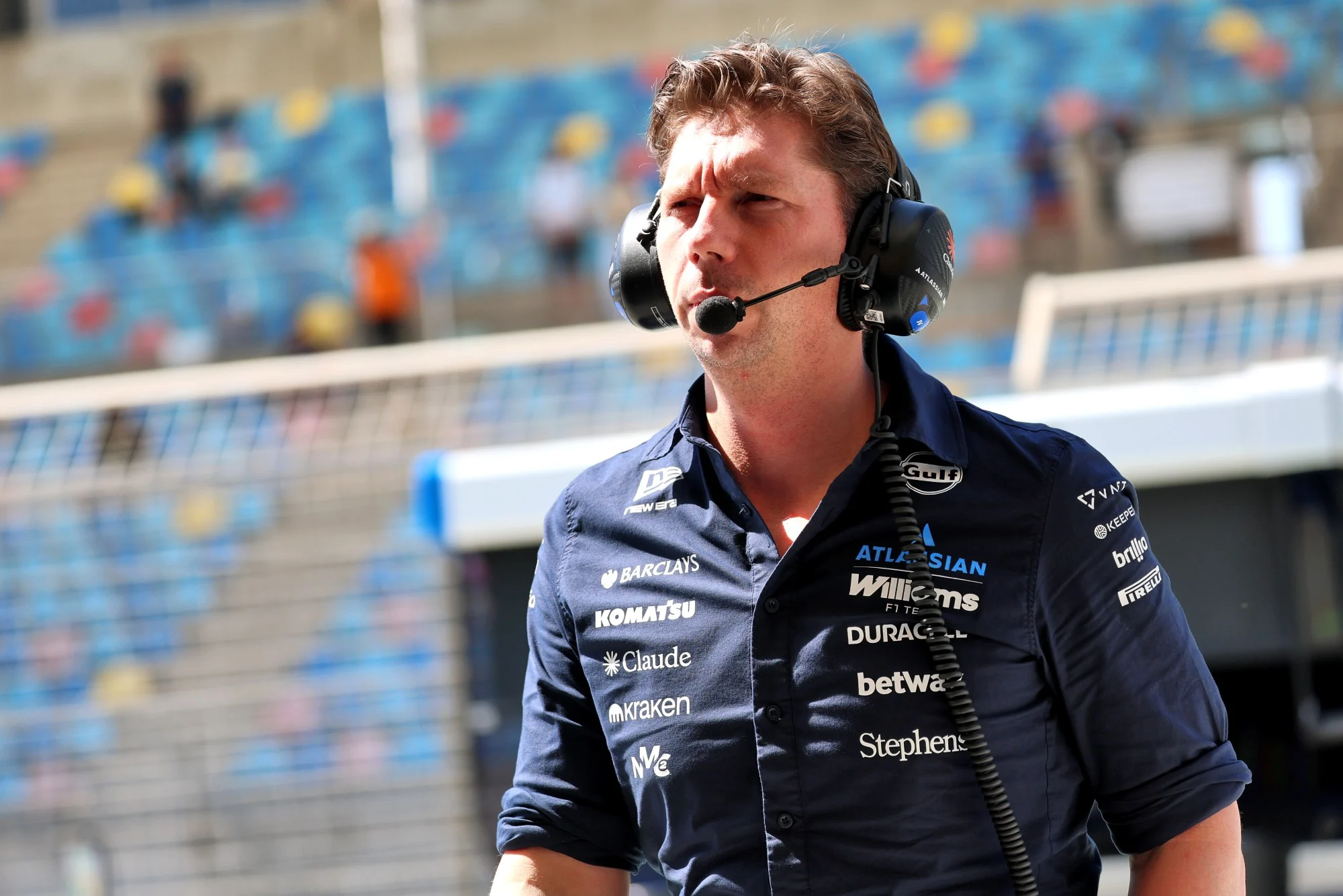
The Williams chief, James Vowles, has once again called for changes to Formula 1’s cost cap. In his view, the current rules make it harder for teams lagging in infrastructure to catch up and end up preserving the advantage of rivals who invested more before the financial restraints were introduced.
One of the main issues lies in production costs. Vowles states that Williams pays between 25% and 30% more than the leading teams for parts, which still arrive roughly four weeks late. According to him, Williams would need to invest around $200 million to modernize its facilities and reach the top contenders. The problem is that this amount would be spread across the cost cap over the years through the depreciation of equipment.
Make RallyBuzz your preferred source of Formula 1 news on Google and Google Discover as well.
Follow on Google
Over a decade, for instance, the investment would impose an annual impact of about $20 million on the team’s budget, reducing the money available to develop the car and to pay staff: “This isn’t a fair fight. I’m not asking for special treatment,” he told Motorsport.com.
The cost issue was already a concern for Vowles when he arrived at Williams. At that time, the executive argued for more favorable conditions for teams finishing at the back of the championship. Initially, there was a separate cap of $36 million for investments over five years. Later, the model began to consider teams’ positions in the standings, allowing Williams, AlphaTauri, Alfa Romeo, and Haas to receive around $20 million extra for such spending.
Vowles believes the system also harmed sporting balance. According to him, the four leading teams started to score more points, while the five or six last-placed teams lost ground compared with the period before the cost cap: “In truth, we’ve built an inverted BOP championship. Any investment you made seven years ago is what determines how competitive you can be today, which isn’t what we should be doing.”
Follow RallyBuzz and receive the latest Formula 1 news via WhatsApp.
Join our channel!
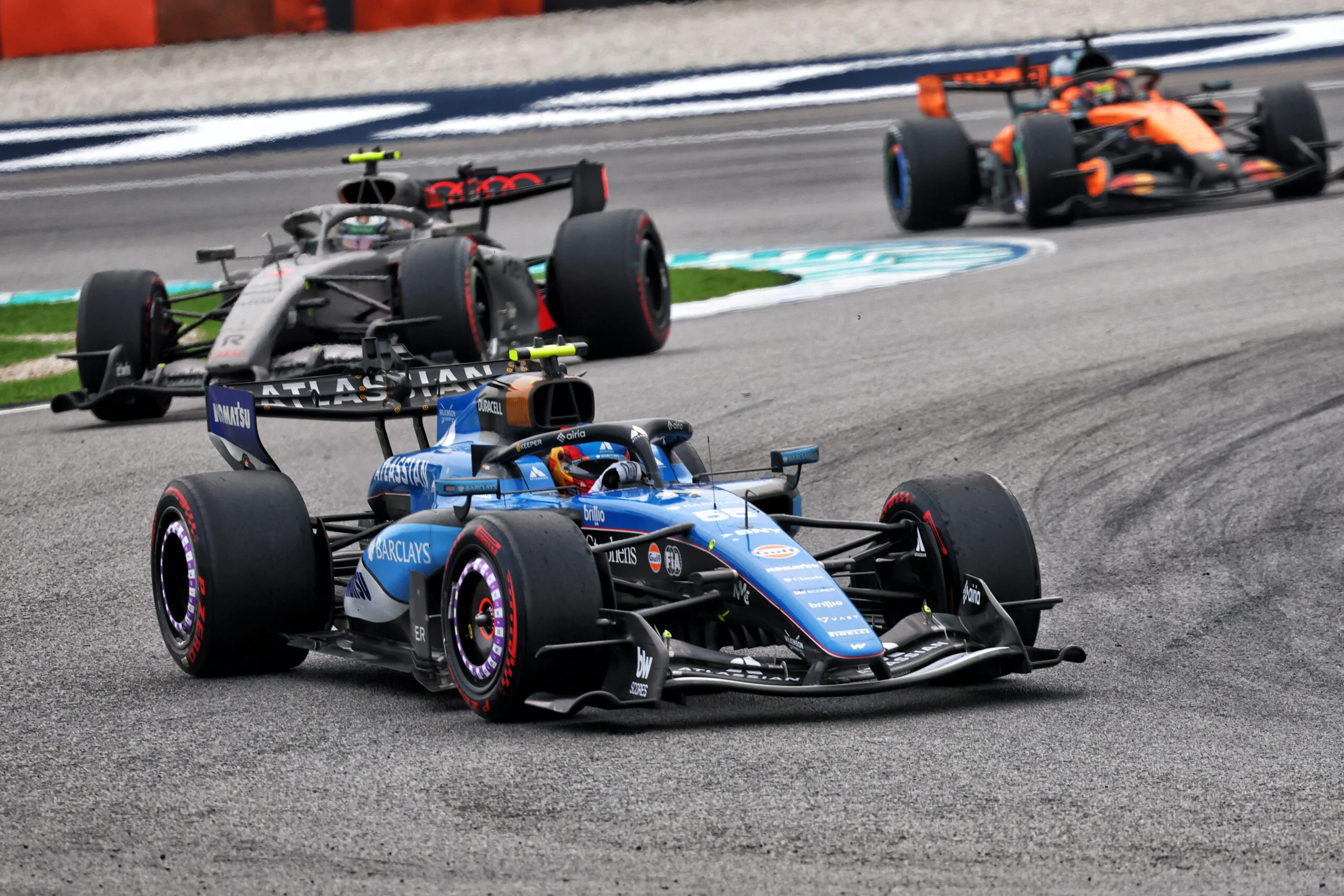
The executive also noted that only one of the last 130 races was won by a team outside the group of the four main ones: Esteban Ocon for Alpine, at the 2021 Hungarian Grand Prix. Before the cost cap, drivers from other teams appeared on the podium in about 10% of the races. Now, according to the figures presented by Vowles, that share has fallen to 5%.
Despite the difficulties, the Williams boss says there is support for a move toward more balanced rules. He acknowledges, however, that teams with already advanced facilities might resist changes that would shrink their competitive edge: “Support has actually been present, regardless of who you speak to, because there is a sense that everyone understands the sport benefits if it ends up being a meritocracy.”
For Vowles, the discussion needs to progress before the next major regulation overhaul, slated for 2030 or 2031. Even if a team receives extra resources, modernizing its facilities does not happen overnight, since purchasing equipment and implementing new processes take years.
Hence, the executive argues that Formula 1 should use the upcoming regulatory cycle to reassess how financial rules operate as well, enabling teams to compete under fairer conditions.
Jake Thompson
I'm Jake Thompson, a motorsport journalist born and raised in North Carolina, where NASCAR weekends were basically family holidays. I’ve been covering everything from Formula 1 to rally raids for over a decade, blending sharp analysis with a fan’s heart. For me, writing about racing isn’t just a job — it’s the best seat in the house.