The FIA (Fédération Internationale de l’Automobile) is weighing a major change for Formula 1 that could take effect from 2031. In addition to adopting cheaper, lighter, and louder V8 engines, the governing body is considering a third-party engine-supply system for customer teams, a move that would effectively end the current model of supply between manufacturers and satellite teams.
FIA president Mohammed Ben Sulayem and F1 CEO Stefano Domenicali have long advocated for simpler power units. The most probable plan envisions aspirated V8 engines paired with a smaller electric unit, reducing costs and the weight of the cars. According to Ben Sulayem, less complex engines would also help address a recent concern of the regulator: the relationship among teams affiliated with the same manufacturer.
The debate gained momentum after McLaren CEO Zak Brown sent a letter to the FIA reiterating criticisms of alliances between teams in the sport, particularly the structure formed by Red Bull and Racing Bulls.
“There will be no control of one team over another, Team A over Team B, which is powered by its engines,” Ben Sulayem told British newspapers during the Silverstone Grand Prix, according to Reuters. “If it is affordable, then there will be an engine for the rest of the teams so that no one can use them as leverage and say: ‘vote this way, or we won’t give them a good engine.’”
Independent engine supply was common in Formula 1 until 2013, when Cosworth last supplied Marussia. The arrival of the hybrid era in 2014 made this model impractical due to the costs and complexity of power units.

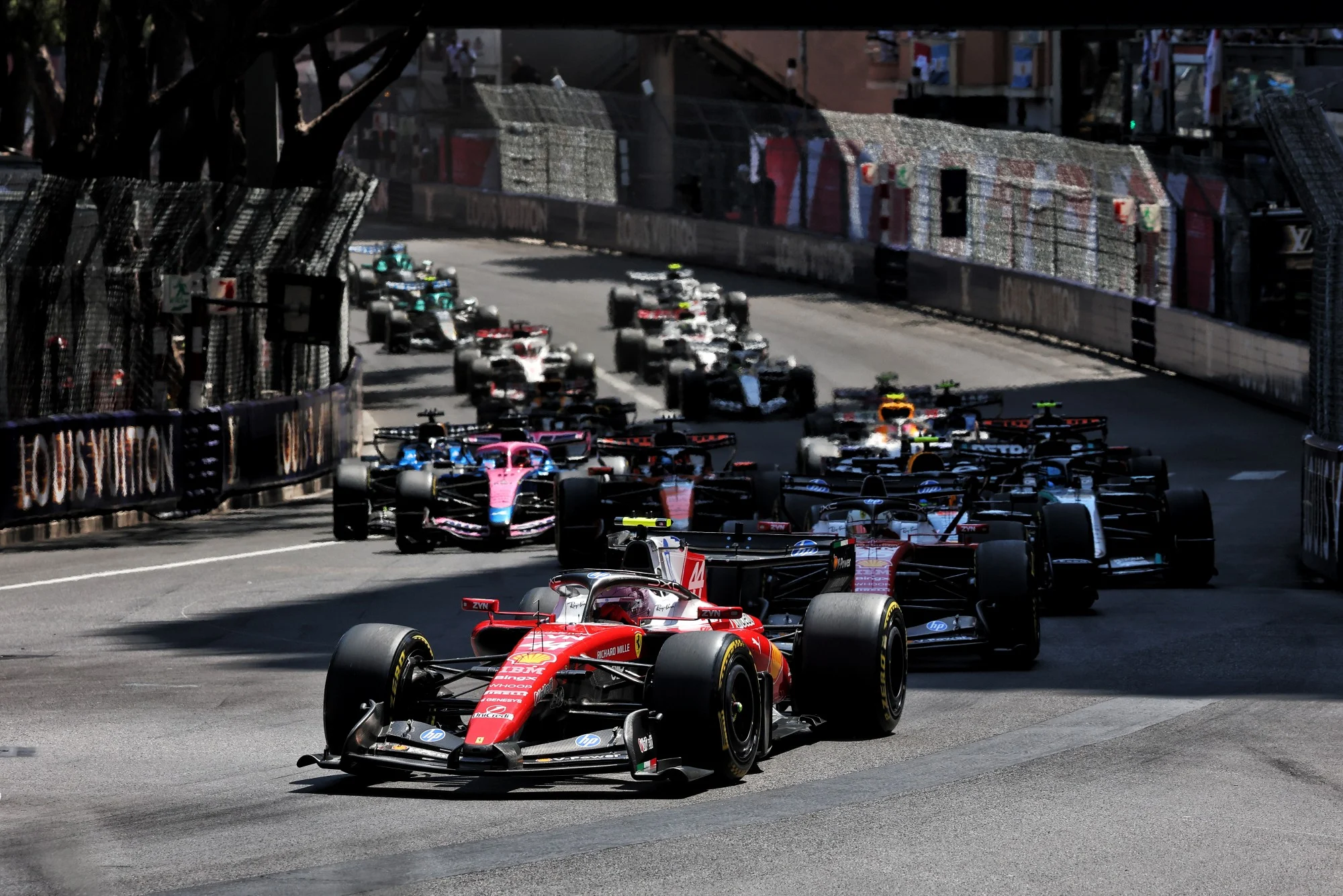
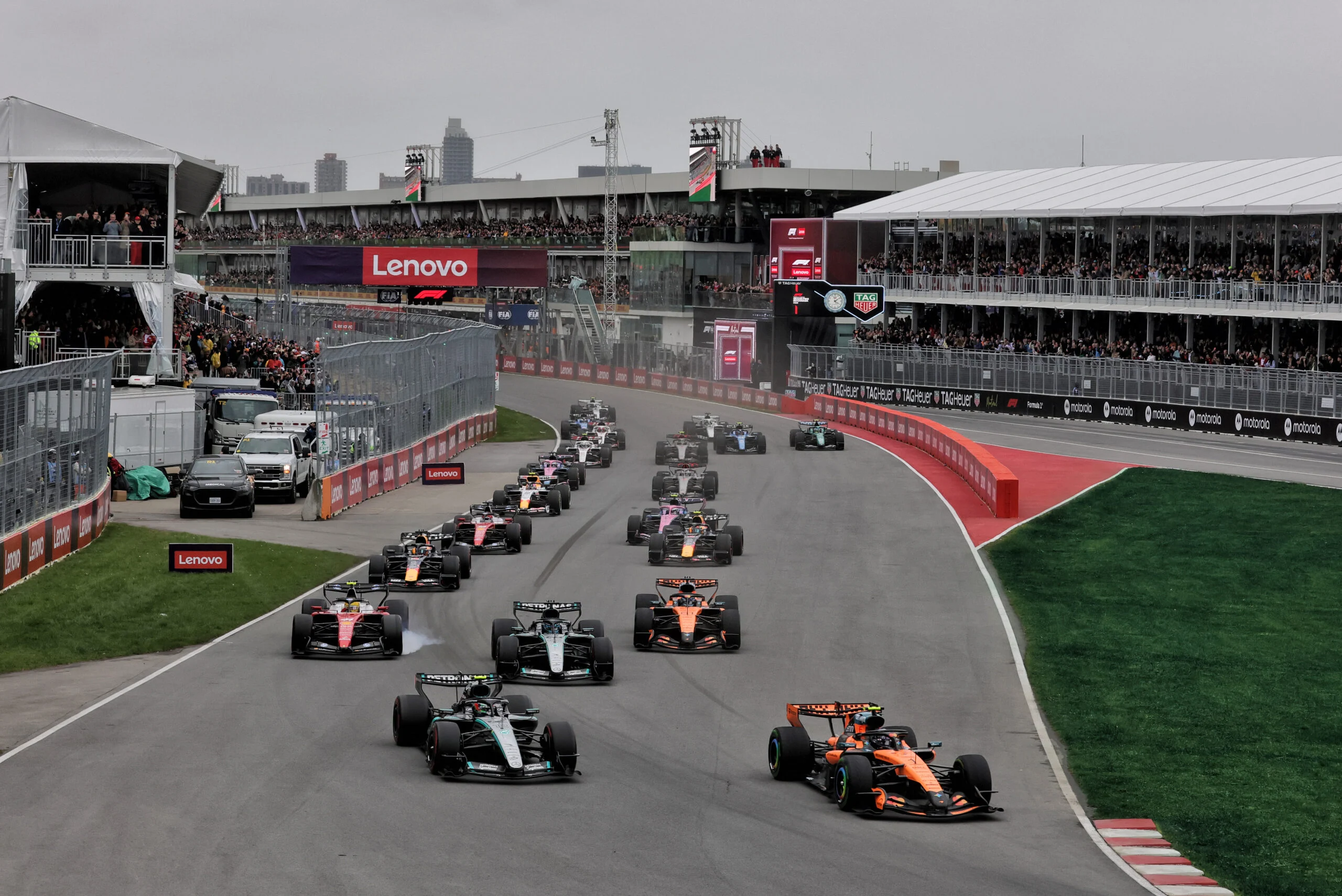
Today, Mercedes supplies engines to McLaren, Williams, and Alpine, while Red Bull Ford Powertrains powers Red Bull and Racing Bulls. Ferrari provides units for Haas and Cadillac. Audi and Aston Martin will be factory teams, while Cadillac is preparing its own engine operation for 2029 and also backs the move to the V8.
Ben Sulayem says that some manufacturers have already shown interest in the proposal, though the 2031 regulations are not yet defined.