Peugeot’s team principal Emmanuel Esnault says the French manufacturer has already addressed a number of issues afflicting the current 9X8 after an initial assessment of potential Evo joker upgrades planned for next year.
The FIA World Endurance Championship campaign has proved challenging for Peugeot this season, with the brand languishing seventh among the eight Hypercar manufacturers and only a single top-seven finish so far.
Esnault explained that Peugeot purposely held back most of its test dates for the second half of the year, allowing the team to concentrate on evaluating substantial upgrades to the 9X8 rather than spreading efforts too thinly early on.
The plan is to field a heavily revised car in 2027, yet Peugeot has already exhausted the majority of its permitted Evo jokers in the current period and would need to obtain additional jokers on grounds that organizers deem the team to be at a meaningful competitive disadvantage.
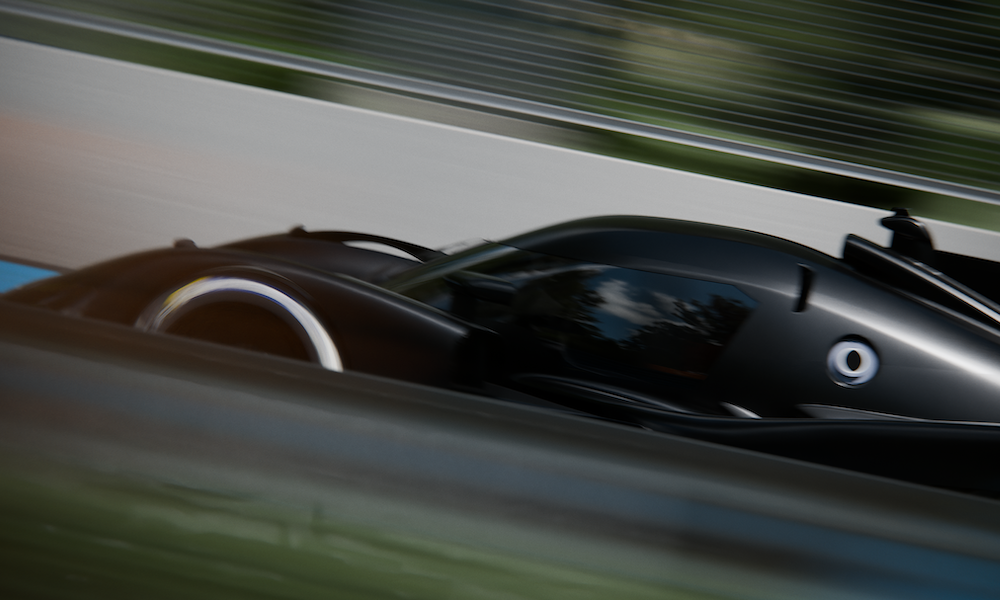
Images from the initial two-day test at Paul Ricard in late July revealed extensive changes to the bodywork, with Peugeot adopting a design direction closer to that of its Hypercar rivals.
Esnault described the test as positive, noting that Peugeot completed more than 1,600 kilometres over the two days and that further testing would take place at Portimao and Silverstone before what he called a “big one” at Paul Ricard in December.
Four of Peugeot’s current WEC lineup took part in the first test—Loic Duval, Nick Cassidy, Theo Pourchaire and Malthe Jakobsen—along with Jean-Eric Vergne, who stepped away from a race seat this year to focus on Citroën’s Formula E entry.
“We don’t want to be over-optimistic, of course; we know there’s a long road from where we are now to turning the car into a winning package, but at least we have the sense that some of the current car’s issues have been resolved, which is encouraging,” Esnault said.
“We’re in a phase of finalizing the package, and we may compare it with the current car later, but that has to come at the right moment in the process—it doesn’t make sense to do it now.”
“At the early stages you need to collect data, accumulate mileage in the car to understand a few things before moving on to the performance aspect.”
When pressed for details about the scale of the planned changes, Esnault declined to elaborate, stating: “We are evaluating different specifications, so we won’t communicate until the car is homologated because it’s a lengthy process and we want to ensure that once we reveal the package contents it aligns fully with what can be homologated.”
“The obvious element is the new aerodynamic package, but there are also other components meant to fix the current car’s issues and to improve overall performance and drivability.”
Duval said it was still too early to discuss how the revised car would feel to drive, but described the test as “really good according to the plan.” He added that working on the upgrades provides renewed motivation for the whole squad after a difficult campaign so far.
“It’s important for everyone within the group to have expectations and a clear vision,” Duval commented. “We’ve had tough times as well as good moments, and we’ve grown a lot as a team. Having the chance to develop something new with the knowledge we’ve gained is important for everyone and brings strong motivation for the future.”