The Formula 1 took a significant step towards the 2026 season during the tests conducted in Barcelona, and for Andrea Stella, the chief of McLaren, the main conclusion is clear: doubts about the reliability of the new cars have practically disappeared. According to the executive, the track days showed that the teams are more prepared than many imagined to deal with the new technical regulations.
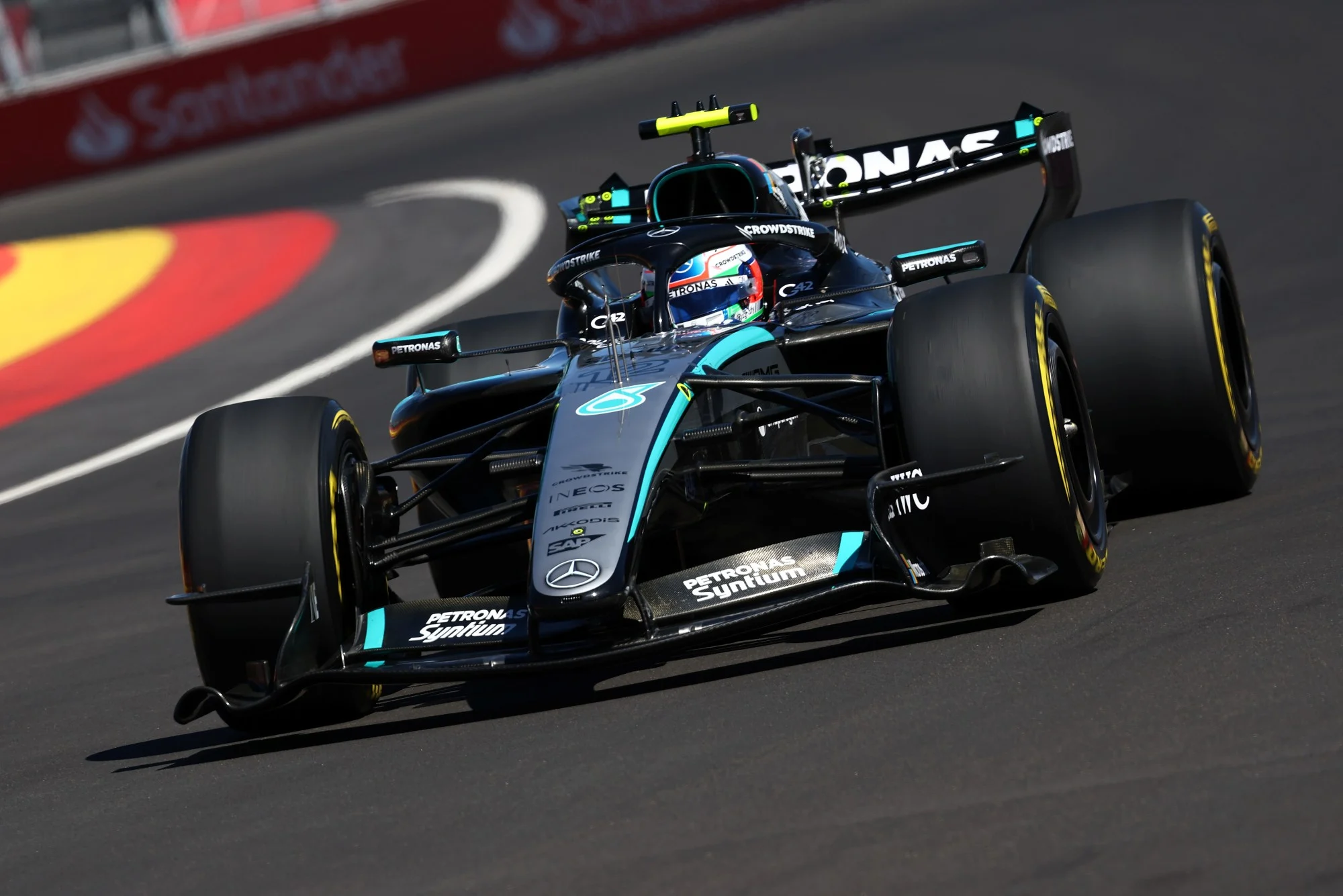
The private tests took place between January 26 and 30 and brought together all the teams, with the exception of Williams. It was the first intense contact with the new generation of F1 cars, which brings significant changes to various systems. Before the start of the activities, part of the paddock demonstrated caution, especially remembering the problems faced in the introduction of hybrid power units in 2014.
Stella stated that the current scenario is quite different. “In general, the teams showed a high level of preparation for the debut of this new generation of cars,” said the Italian team chief in an interview released by McLaren. For him, those who expected difficulties similar to those of twelve years ago saw those fears lose strength from the first days of activity.
The executive highlighted mainly the performance of the power units. According to Stella, even manufacturers who put their engines on the track for the first time were able to accumulate significant mileage, which helped to reinforce confidence in the 2026 technical package.
This does not mean that the tests were free of challenges. The McLaren chief acknowledged that there were setbacks, but explained that they were more related to the overall complexity of the car than serious reliability issues. “The problems that delayed the track work, at least in our case, were mainly related to the enormous complexity of the 2026 car system,” he stated.
Stella made a point of praising the team’s internal effort. According to him, the team worked intensively, even at night, to recover the lost time at the beginning of the tests. This scenario, with activities advancing until late hours, reminded previous periods of the category, when pre-seasons were marked by long days in the garages.
Still, the McLaren chief believes that this situation tends to normalize. In his view, as teams gain more understanding of the new cars, the work will become more fluid. The scenario described by Stella suggests that F1 may start 2026 with a level of reliability far superior to what many feared, something that can favor more balanced disputes from the beginning of the championship.