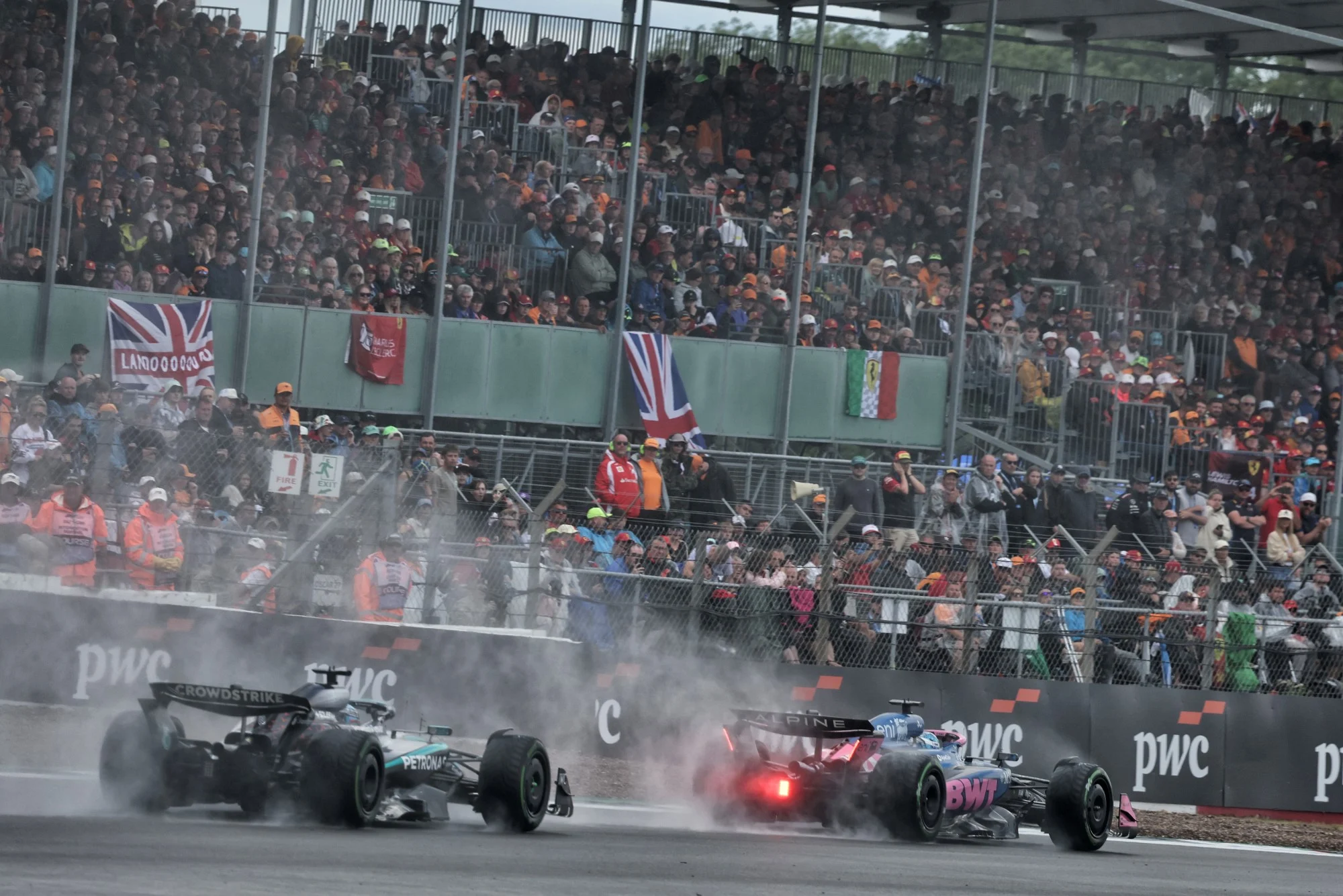
British circuit blends high-speed corners, rapid direction changes, and a strong demand for the cars’ balance
Silverstone is one of Formula 1’s most complete tracks when it comes to aerodynamics. The British circuit, stage of the English Grand Prix, demands efficiency, stability and confidence in high-speed corners, turning the weekend into a crucial test for cars and teams.
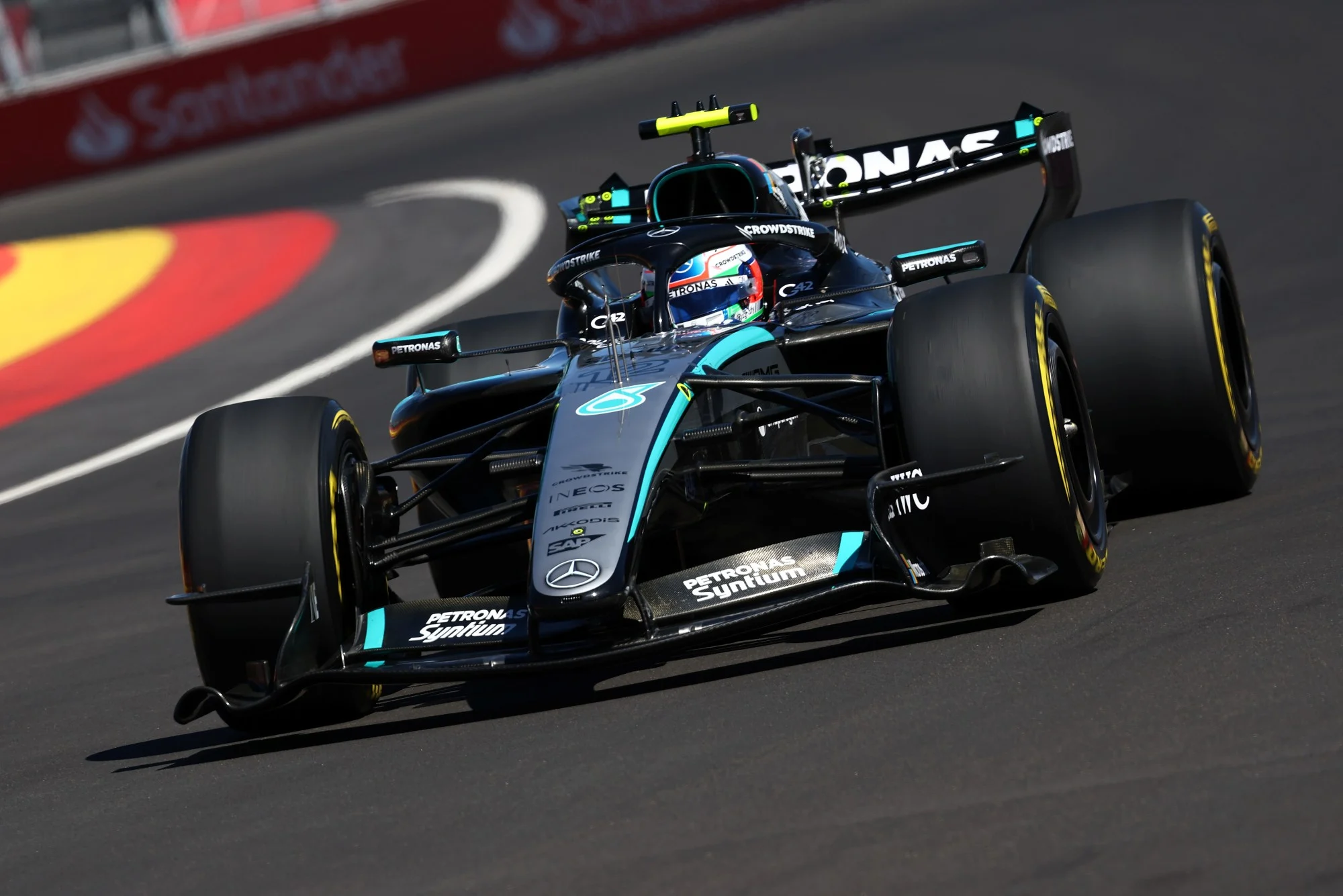
Unlike tighter layouts, Silverstone does not rely solely on traction or heavy braking. The track requires the car to keep speed through long corners and in sequences of rapid direction changes. This makes aerodynamic balance an essential factor.
The Maggotts, Becketts and Chapel sequence is the best-known example. There, the driver must change direction at high speed without losing stability. A well-balanced car allows you to attack the sequence with confidence, maintain a high minimum speed, and exit strongly onto the following straight. An unstable car, on the other hand, forces the driver to ease off the throttle and compromises lap time.
This type of section also reveals the quality of the aerodynamic package. It is not enough to generate downforce. The car must be predictable, efficient, and capable of sustaining performance without sacrificing too much straight-line speed. At Silverstone, this balance tends to show up clearly.

Another important point is wind sensitivity. The circuit sits in an open area, and wind direction changes can affect the cars’ behavior, especially in the faster corners. For the drivers, this increases the difficulty of repeating lap times with precision.
In 2026, the challenge gains an extra layer because of the sprint format. Teams will have only one free practice before the sprint qualifying. This reduces the time available to find the ideal setup and increases the importance of arriving at the weekend with a strong baseline.
Thus, Silverstone tends to function as a good technical barometer. When a car is competitive on this British track, it usually signals a consistent aerodynamic package. And in a season with tight competition, this kind of response can say a lot about who truly has the strength to fight at the front.