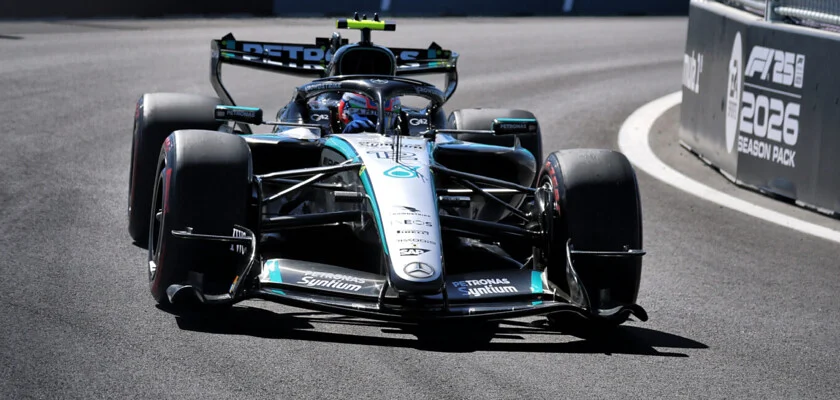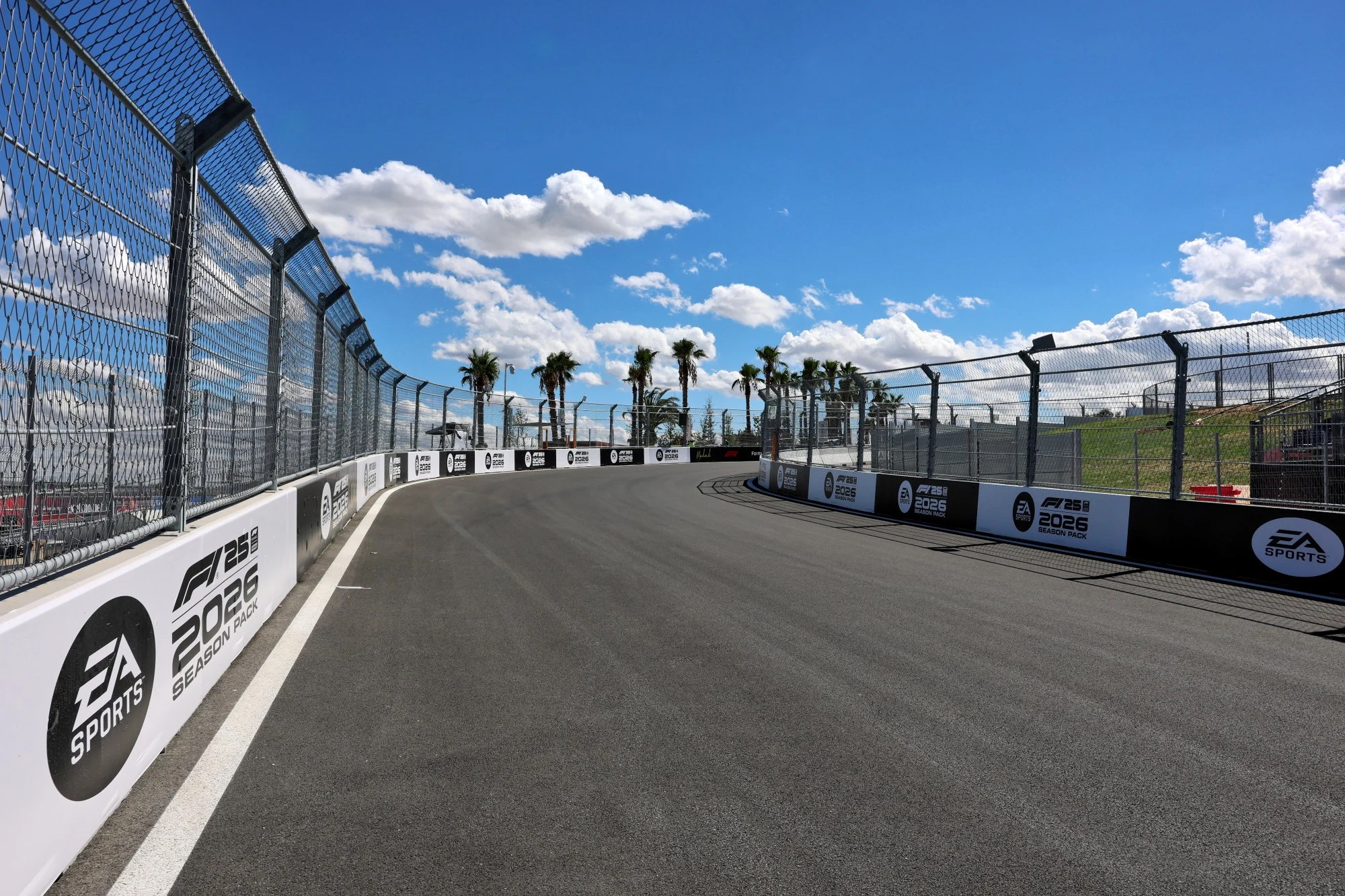
The Madring debut at the Spanish Grand Prix of Formula 1 confirmed one of the sport’s main concerns, as overtaking proved virtually impossible on the new circuit. After a race deemed not very exciting, several competitors called for changes to the layout for 2027.
The circuit was praised for the driving experience in a single-lap quick run, especially in qualifying, but lost momentum during the race. Audi driver Gabriel Bortoleto summed up the feeling in the paddock after admitting that he nearly fell asleep during the event: “I almost slept too!”
The race winner, Kimi Antonelli, shared the critique. The Mercedes driver stated that the current layout does not encourage attacks and even increases the risk of contact: “This definitely does not create overtaking opportunities and does not encourage you to attempt a maneuver, because in 80% of the time you can have contact,” he said. For him, some corners need to be modified, as the circuit ends up leaving drivers stuck behind other cars.
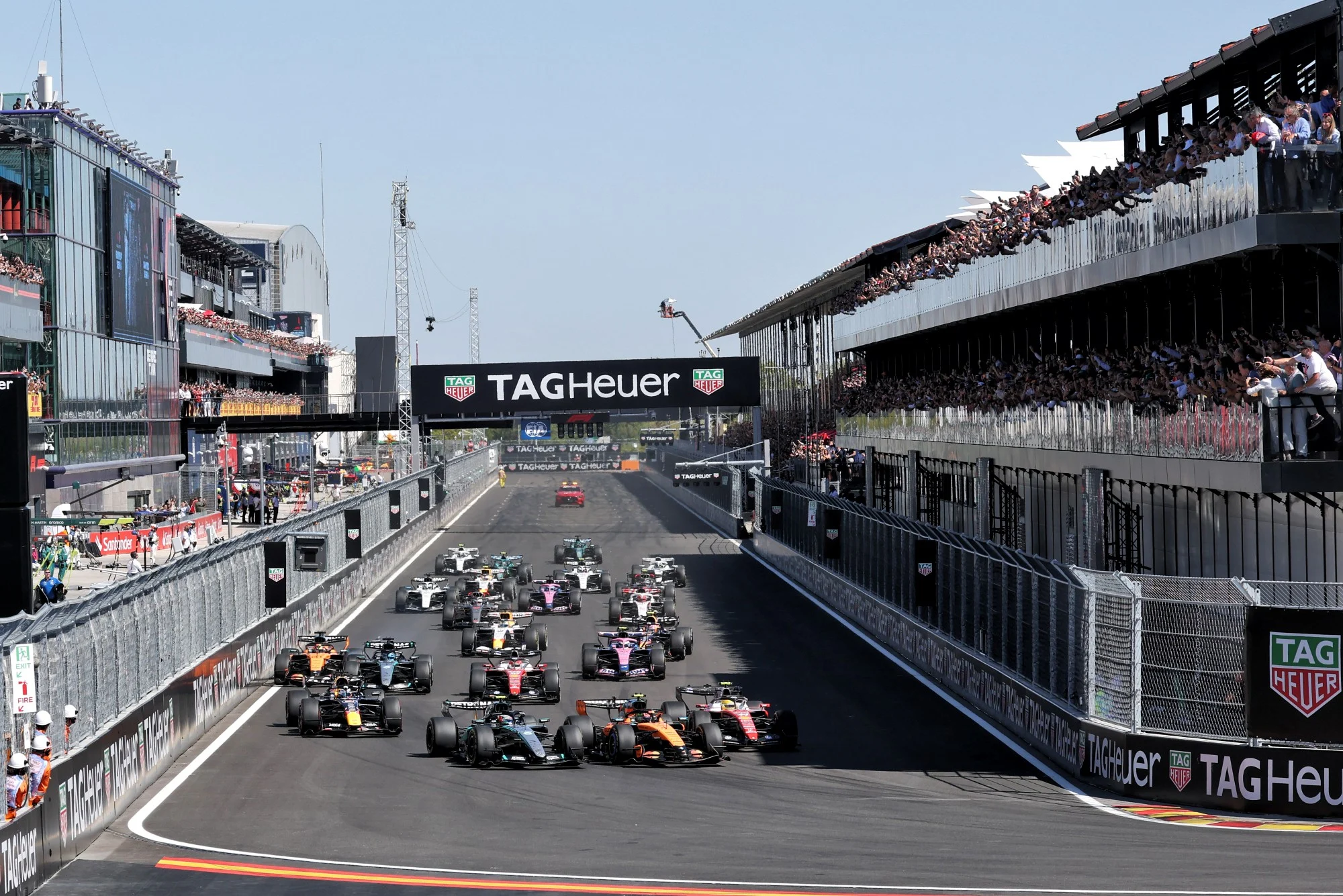
Oliver Bearman, from Haas, was even more direct in evaluating the layout. According to the Brit, simply looking at the design was enough to foresee difficulties in races, mainly because there are combined entries and exits of corners that favor defending and hinder attempts to overtake: “It’s interesting to drive, for sure, but in the race it’s very poor,” he said.
Alex Albon also advocated relatively small changes. The Williams driver pointed mainly to the stretch between turns 3 and 5, suggesting straighter braking zones and the removal of the chicane, in addition to a change at turn 13 to create a larger braking area: “If the F3 cars can’t overtake, then you know there won’t be overtakes throughout the weekend,” he added.

Lando Norris of McLaren presented another possibility for the final sector, proposing the elimination of turns 18 and 19 to create a longer straight to a chicane. The British driver also compared the idea to what he considers a configuration more favorable to overtakes, while several drivers still suggested shortening the pit lane to encourage more stops and broaden strategic options.