Audi has urged a revision of the system for Additional Development Opportunities for power units in Formula 1. Mattia Binotto, who leads the manufacturer’s project in the category, stated that the FIA should reevaluate the criteria of the so-called ADUO (Additional Development and Upgrade Opportunities), created to reduce performance gaps between manufacturers.
The mechanism was introduced alongside the new technical regulations this season, to allow manufacturers with lower performance more freedom to evolve their power units. However, according to Binotto, the way eligibility is determined can produce distortions relative to the initiative’s original goal.
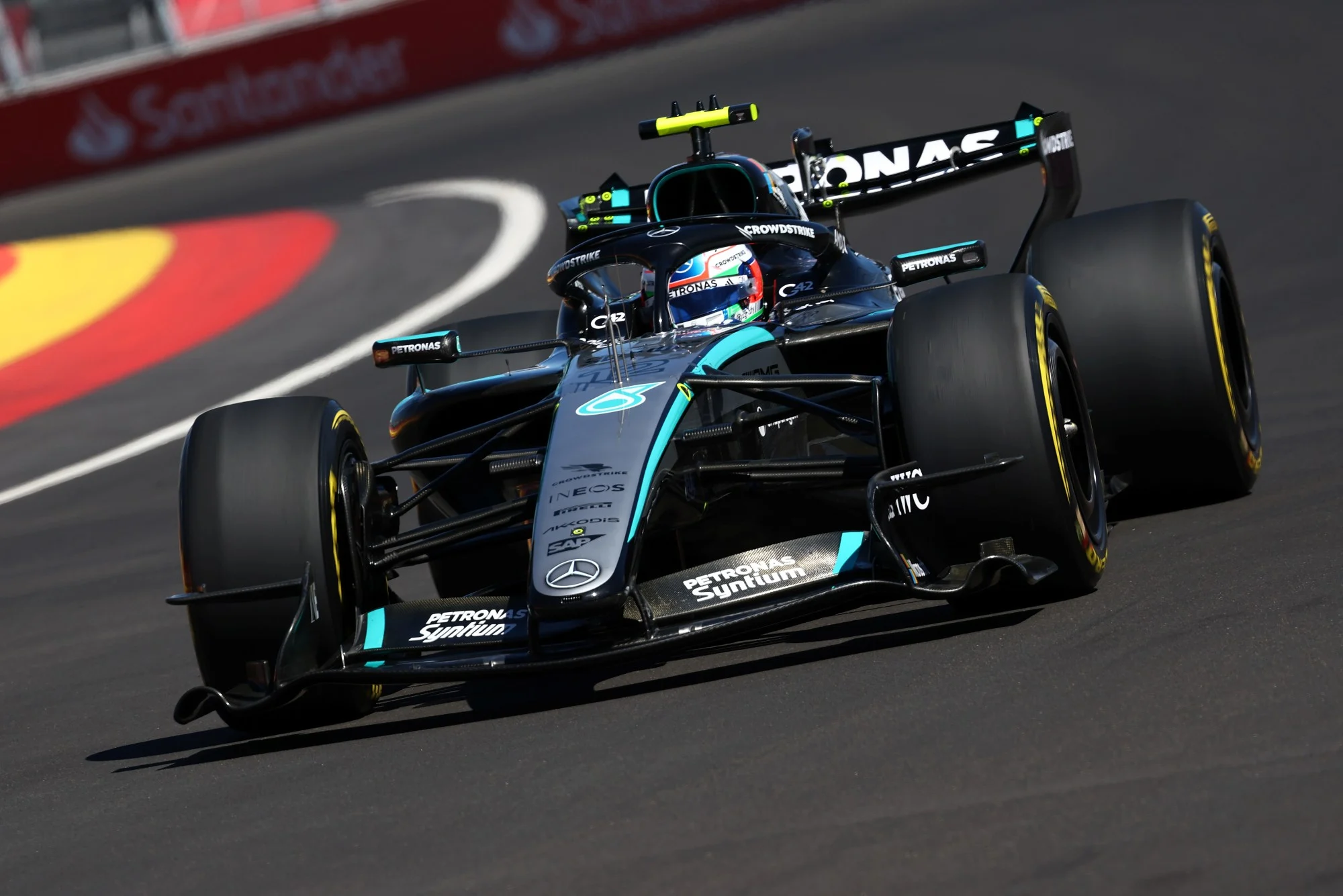
Under the current rules, the analysis considers only the performance of the V6 part of the power unit. As a consequence, Mercedes, owner of the most competitive engine of the season, ended up qualifying to use the ADUO, while the Red Bull Powetrains-Ford, contesting its first year with its own power unit, was left out of the program even after challenging the decision.
Audi, which also debuted as a manufacturer this season after taking over Sauber, was included in the system and may implement updates to its power unit. Yet Binotto believes the regulation needs to be adjusted to better reflect the true performance of the manufacturers.
“In my opinion, the limitation was measuring performance solely on the track. A car that has an overall package advantage can afford not to fully exploit the potential of its power unit,” the executive stated. He added that Mercedes, for instance, could opt not to use the engine’s full potential if the car already delivers adequate performance.


For Binotto, this possibility runs counter to the ADUO’s original proposal: “That’s why I think the regulation needs to be reconsidered in this regard. That was not the original objective of ADUO. The idea was to help those who were truly behind, not create situations where the true potential of a power unit is hard to assess,” he said.
The executive stressed that he is not questioning the FIA’s work, acknowledging that the body possesses data and tools to back its decisions. Still, he argued that the program’s original concept should be preserved, acting as a safeguard to prevent manufacturers that start a regulatory cycle at a disadvantage from remaining in that state for years.
According to Binotto, this principle follows the same logic applied to aerodynamic development in Formula 1, where teams lower in the standings receive more wind-tunnel time: “In the same way, those behind in power unit performance should receive greater development opportunities to catch up with the others and make the championship increasingly balanced,” the Italian concluded.