Manufacturer returns to using consecutive tire compounds in Austin after 2025 experience; high wear and Texas temperatures may influence the number of pit stops
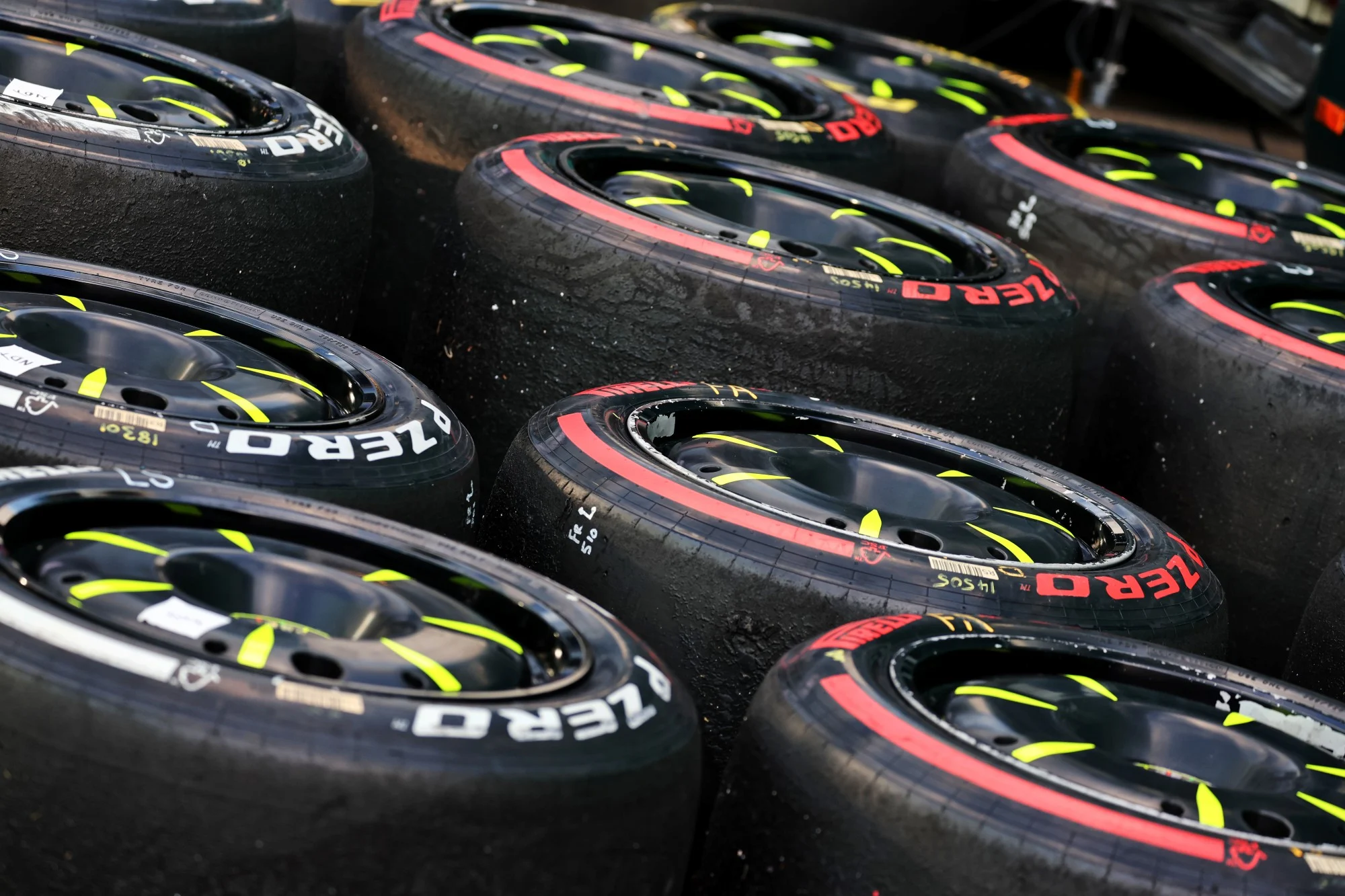
Pirelli defined a significant change in tire choice for the 2026 Formula 1 United States Grand Prix, which will be held from October 23 to 25 at the Circuit of the Americas in Austin. The Italian manufacturer selected compounds C2 (Hard), C3 (Medium), and C4 (Soft), returning to a traditional combination after testing a setup with a larger gap between the available options in the previous season. The change could directly influence teams’ strategies, especially on a track known for high tire wear.
In 2025, Pirelli brought to Austin the C1, C3 and C4 compounds, creating a larger gap between the Hard and Medium tires. The aim was to broaden strategic possibilities, but the experience did not yield the expected result. No driver used the C1 during the race, and most teams opted to finish the event with a single stop, using the Medium and Soft compounds.
For 2026, replacing the C1 with the C2 offers a closer alternative to the tires that traditionally perform best on the American circuit. The Hard compound ceases to be as distant in terms of characteristics and could gain importance in strategic decisions, especially for drivers who need to extend their initial stints or regain positions with a different approach from their rivals.
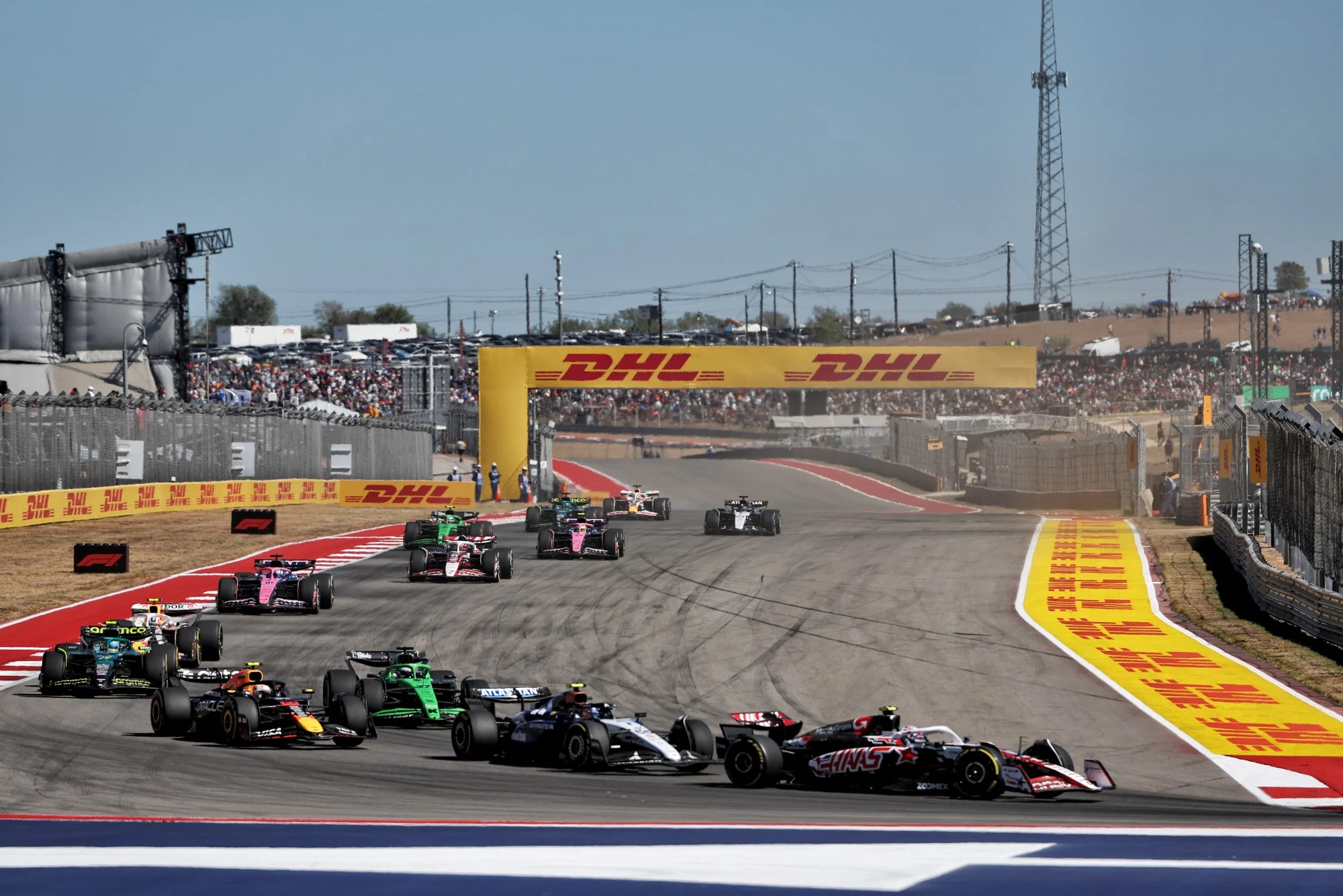
The choice also reflects the particularities of the Circuit of the Americas. At 5.513 kilometers in length, the track combines high-speed corners, abrupt direction changes, strong braking, and acceleration sections that place substantial demands on the tires. The balance between performance and durability will be essential for the teams, especially in a 56-lap race covering 308.405 kilometers.

Pirelli seeks to expand Hard tire use
The main difference compared to last year lies in the choice of the more durable compound. In 2025, the C1 was considered unattractive by teams, who found better conditions to complete the race using the C3 and C4 tires.
The most popular strategy was the Medium-Soft combination, adopted by 13 drivers. Among those who finished on the podium, Charles Leclerc offered an alternative by starting with Soft tires and taking third place. Only three drivers further back on the grid chose the Hard compound for the start.
With the presence of the C2 in 2026, Pirelli expects to offer a more competitive option for longer usage periods. The Hard tire could allow longer stints without such a significant performance sacrifice, increasing its appeal compared with the C1 used in the previous edition.
That does not necessarily mean teams will abandon the one-stop strategy. On the contrary, Pirelli itself regards this scenario as the most likely for Sunday’s race. However, the availability of the C2 could modify how stints are distributed and provide greater flexibility to react to track conditions.
A Medium-Hard combination, for example, becomes a relevant strategic alternative, especially for drivers who want to preserve the tires during the second half of the race. The decision will depend on how the compounds perform in practice sessions, the temperatures, and the wear evolution over the weekend.
Tire wear a concern in Austin
Although the Circuit of the Americas asphalt is not considered particularly abrasive, tire wear remains one of the main concerns for the United States Grand Prix.
The first sector features a sequence of fast corners and direction changes that place significant demands on the front tires. In this stretch, cars must respond quickly to trajectory changes, subjecting the compounds to high lateral loads.
The third sector, however, presents different characteristics. The slower corners and successive accelerations require good traction and can raise the temperature of the rear tires, favoring thermal degradation.
This combination makes the circuit place important demands on both axes of the car. A setup that preserves the front tires may not necessarily deliver the best behavior on exit from slow corners, forcing teams to seek a careful balance.
Another relevant factor is the condition of the asphalt. A section between corners 9 and 11 was resurfaced at the start of 2026, but the rest of the surface continues to show aging effects. According to Pirelli’s analysis, this characteristic contributes to high wear levels, which can be more decisive than the formation of graining during the weekend.
In the 2025 race, several tires showed very high wear, even with teams predominantly adopting one-stop strategies.
Temperatures can alter teams’ plans
Weather conditions will also play a crucial role in shaping strategies. The United States Grand Prix typically takes place under relatively high Texas temperatures, which can accelerate tire degradation, especially during longer stints.
If wear turns out higher than expected, teams may need to bring forward their stops or consider a second tire change. Conversely, if the C2 shows good durability and consistent performance, the one-stop strategy could prove to be the most efficient option.
The behavior of the tires will be monitored from Friday’s free practice sessions. Unlike 2025, Austin will host a traditional weekend format, without a Sprint race, allowing teams to run three free practice sessions to evaluate the compounds and run simulations with different fuel loads.
This extra time will be important not only to understand each tire’s lap speed, but also its ability to maintain performance during longer sequences.
The Circuit of the Americas also offers generally good levels of grip, aided by the presence of support categories. The evolution of track conditions, however, is not usually as pronounced as at other circuits on the calendar.
One-stop strategy remains the reference
Even with the change in compound selection, Pirelli’s initial expectation is that the majority of teams will continue to view a single stop as the reference for the United States Grand Prix.
The difference is that this time, the Hard tire could have a more effective role in strategies. While the C1 was left out of the race in 2025, the C2 offers a potentially more suitable alternative for Austin’s demands.
The challenge will be to determine which combination will allow completing the 56 laps with the lowest total time, considering not only the speed of fresh tires but also the performance loss caused by wear.
The estimated time loss for a pit stop is about 21.5 seconds, a factor that also favors attempting to avoid a second stop, provided the tires can maintain sufficient performance until the end.
Thus, the choice between Medium, Soft, and Hard compounds will directly depend on data gathered during the practice sessions and on the conditions found on Sunday.
The change promoted by Pirelli does not represent a radical transformation of the Austin strategic approach, but it corrects an important characteristic of the 2025 selection: the presence of a Hard compound that ended up not being used during the race.
With the C2 again available, teams will have an option closer to the circuit’s needs and can explore different ways to manage wear.
In a track that demands as much from the front tires as from the rear, the ability to find the balance between speed, durability, and the right timing of the pit stop could make a difference in the result of the 2026 United States Grand Prix.