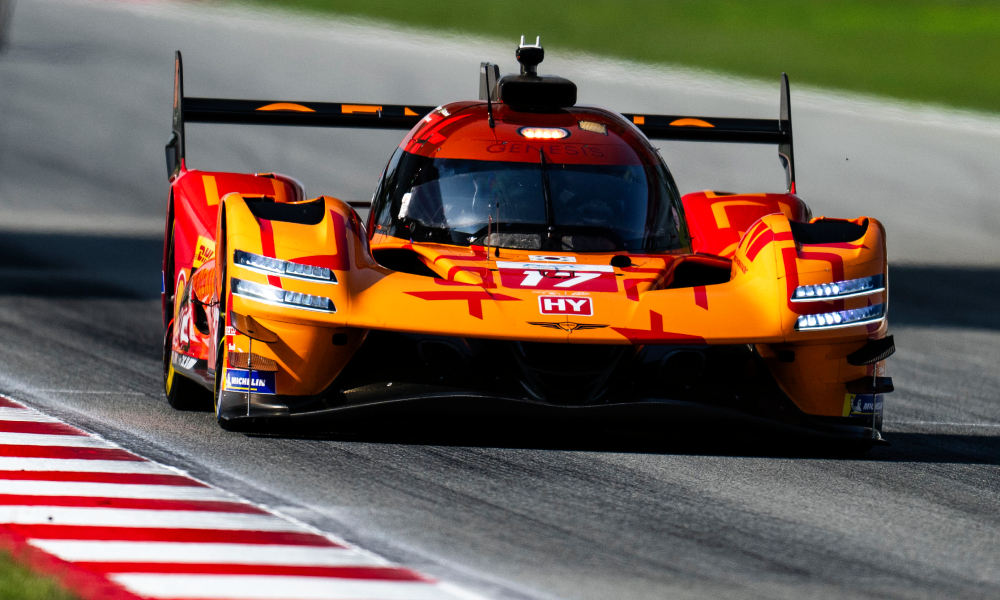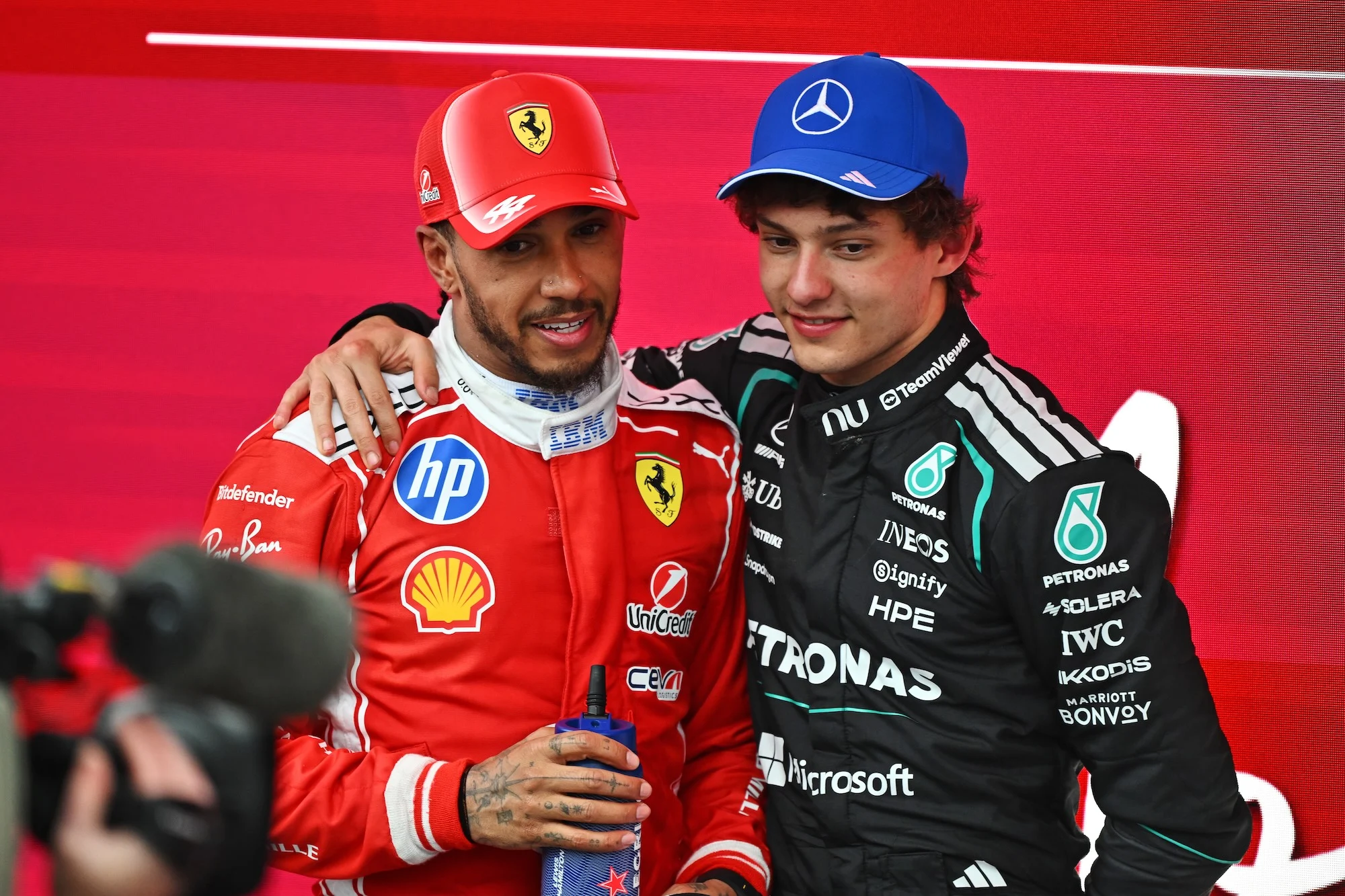
The victory of Lewis Hamilton in Barcelona showed that Ferrari is closer to the lead than it seemed a few races ago. Still, the season’s numbers indicate that Mercedes remains the main reference on the grid in 2026.
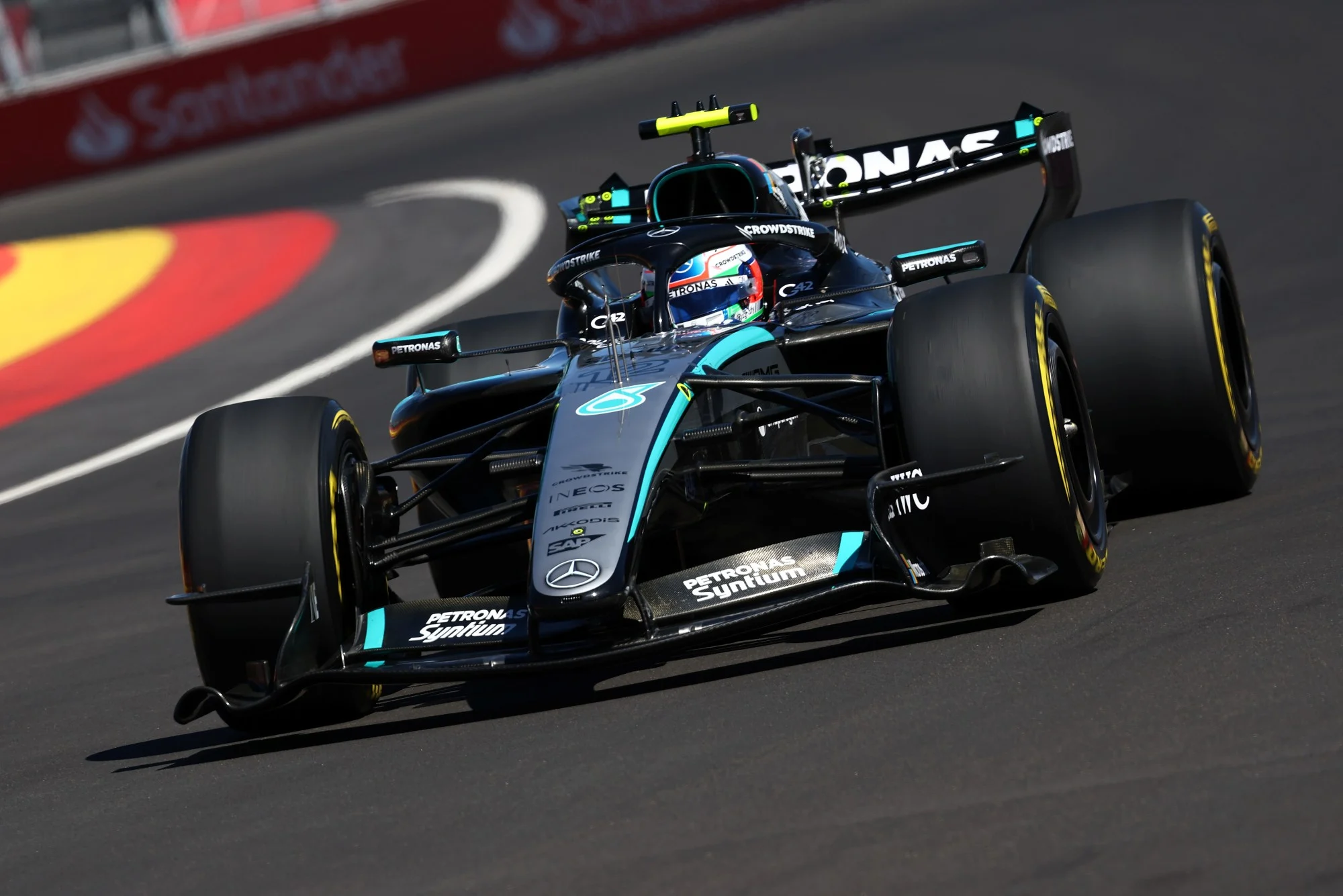
At the start of the 2026 season, Mercedes held a comfortable position in Formula 1. The team nailed the interpretation of the new technical regulations, saw Kimi Antonelli quickly take center stage in the championship, and built a string of results that made it the leading force on the grid.
But Barcelona sparked a fresh discussion in the paddock.
Lewis Hamilton’s victory put Ferrari back at the center of attention and raised an important question for the rest of the season: is Mercedes still the team to beat or is the race for the lead more open than it seemed?
The answer probably lies somewhere between the two extremes.
Barcelona showed that Mercedes is not invincible. But it also did not provide enough evidence to remove the German team’s position as the season’s main reference.
The best way to analyze the situation is to separate fleeting performance from consistency.
Ferrari was the winner of the Spanish Grand Prix. Mercedes, however, remains the team with the most consistent performance throughout the season. While the rivals alternated strong moments with weekends tougher, the German team managed to stay regularly among the frontrunners.
Much of this stability comes from Antonelli’s performance.
The Italian leads the championship and has built his campaign not only through victories but also through the ability to avoid bad weekends. Even when he wasn’t in a position to win, he typically remained close to the front and limited costly losses to rivals.
Internal numbers help explain this scenario. Antonelli is tied with George Russell in the standings at 5-5, but leads the head-to-head race record 5-2. He also has an advantage in top-10 appearances, 6-5.
More than raw speed, Mercedes found an efficient blend of performance, strategy, and execution. But that does not mean Ferrari’s threat should be ignored. On the contrary.
Barcelona was important precisely because it happened on a circuit traditionally regarded as one of Formula 1’s best technical references. The Catalan track tends to reveal the true quality of the cars and rarely yields results that are completely off the curve.
Hamilton’s victory showed that Ferrari has the capacity to challenge Mercedes on demanding circuits and that the gap between the two teams may be smaller than it seemed at the start of the season.
The challenge now is to repeat that performance. Across the first eight rounds, Mercedes built its advantage through consistency. Ferrari, on the other hand, alternated moments of competitiveness with races in which it trailed the German team.
To take on the role of the main title rival, the Italian team needs to show that Barcelona was the start of a trend, not an exception.
And where does McLaren fit in?
The season’s analysis would be incomplete without McLaren.
Although the team has lost some of its protagonism in the latest races, it remains a constant presence among the leading pack. Norris leads Piastri 6-4 in the standings, but the races are tied at 3-3 and both have four top-10 appearances.
The internal balance mirrors a bit of the team’s own situation.
McLaren stays fast, but still seeks to convert performance into results as efficiently as Mercedes and Ferrari. At several moments of the season, it seemed close to breaking into the fight for wins. At others, it ended up a step behind the main rivals.
Therefore, although it remains in the race, the current feeling is that the Woking team is racing more to keep pace with Mercedes and Ferrari than to lead the pack.
Austria will be an important test
The Austrian Grand Prix this weekend presents an interesting opportunity to gauge the real moment of the three main forces of the season.
Mercedes arrives defending the championship’s reference position. Ferrari attempts to prove that its evolution is sustainable. And McLaren seeks to regain ground in a battle that has become increasingly concentrated among the first two teams.
Moreover, the Red Bull Ring has characteristics different from those found in Barcelona. It is a circuit with short laps, strong braking zones, and great importance of straight-line efficiency, factors that can shift part of the balance observed in Spain.
Therefore, the Austrian race could offer a clearer picture of the current grid hierarchy.
Who is the team to beat?
Hamilton’s victory was enough to start the discussion, but not to end the analysis.
If the question is who won the most recent race, the answer is Ferrari. If the question is which team has shown the best performance across the season, the answer remains Mercedes.
The German team leads the championship, has the most consistent driver of the year, and continues to appear regularly among the protagonists on nearly every type of circuit.
That doesn’t mean the lead is comfortable. On the contrary. Ferrari seems closer than at any moment this season, and McLaren remains competitive enough to interfere in the fight.
But until someone can beat Mercedes consistently, the role of the team to beat remains exactly where it has been since the start of 2026: in Brackley.