Teammate duels reveal more than the championship standings. After eight rounds, Antonelli dominates Sundays at Mercedes, Hamilton leads at Ferrari, Bortoleto responds against Hülkenberg in the races, and Alonso has the most unbalanced internal matchup on the grid.
Formula 1 is a team sport, but the first comparison of any driver always happens inside the same garage. It’s there that you have the same car, the same data, the same structure, and in theory, the same opportunities. That’s why duels between teammates continue to be one of the most direct ways to measure who is getting more out of the available equipment.
After eight rounds of the 2026 season, the numbers are already starting to reveal important trends. Some confirm what the championship standings show. Others help explain less obvious stories, such as drivers who still struggle on Saturdays but manage to deliver more on Sundays.
The reading becomes even more interesting when we split three snapshots: races, qualifying, and top-10 appearances.
Antonelli dominates Sundays; Hamilton takes charge at Ferrari
In Mercedes, Kimi Antonelli and George Russell are tied in qualifying, 5-5. That figure shows that Russell remains a strong reference for fast laps. The imbalance shows up in the races: Antonelli leads 5-2 and also has the edge in top-10 finishes, 6-5. The gap helps explain why the Italian has become the season’s leading name. He’s not just fast; he’s converting his weekends into results more effectively. Antonelli leads the world championship with 156 points, Russell has 106 in third place.
In Ferrari, the scenario is even more meaningful. Lewis Hamilton leads Charles Leclerc 6-4 in qualifying, 5-2 in races, and 7-5 in top-10 finishes. The data reinforces the impression that the seven-time champion quickly assumed the benchmark role for the Italian squad. Leclerc remains fast and competitive, but Hamilton has been able to maximize Sundays better, something that became even more evident with the Barcelona victory. Hamilton is the World Championship runner-up with 115 points to Leclerc’s 75, in fourth place.
The McLaren appears as the most balanced clash among the top teams. Lando Norris holds a edge over Oscar Piastri in qualifying, 6-4, but the two are tied in the races, 3-3, and also in top-10 finishes, 4-4. It’s a duel that remains open and reveals a clear split: Norris still seems to have a slight advantage in pure speed, while Piastri continues to be extremely efficient at building Sundays. The points are also close: Norris has 73 points in fifth, Piastri 68 in sixth.
In Red Bull, Max Verstappen continues to be the internal benchmark. The Dutchman leads Isack Hadjar 8-2 in qualifying and 5-2 in races. Yet, the top-10 tally shows an important nuance: Verstappen has 5, compared to Hadjar’s 4. In other words, although the speed gap remains large, the Frenchman has managed to appear frequently in the points and shows a steadier adaptation than the qualifying score suggests. Max Verstappen sits seventh in the world with 55 points, Hadjar ninth with 34.
Bortoleto turns the tide on Sundays
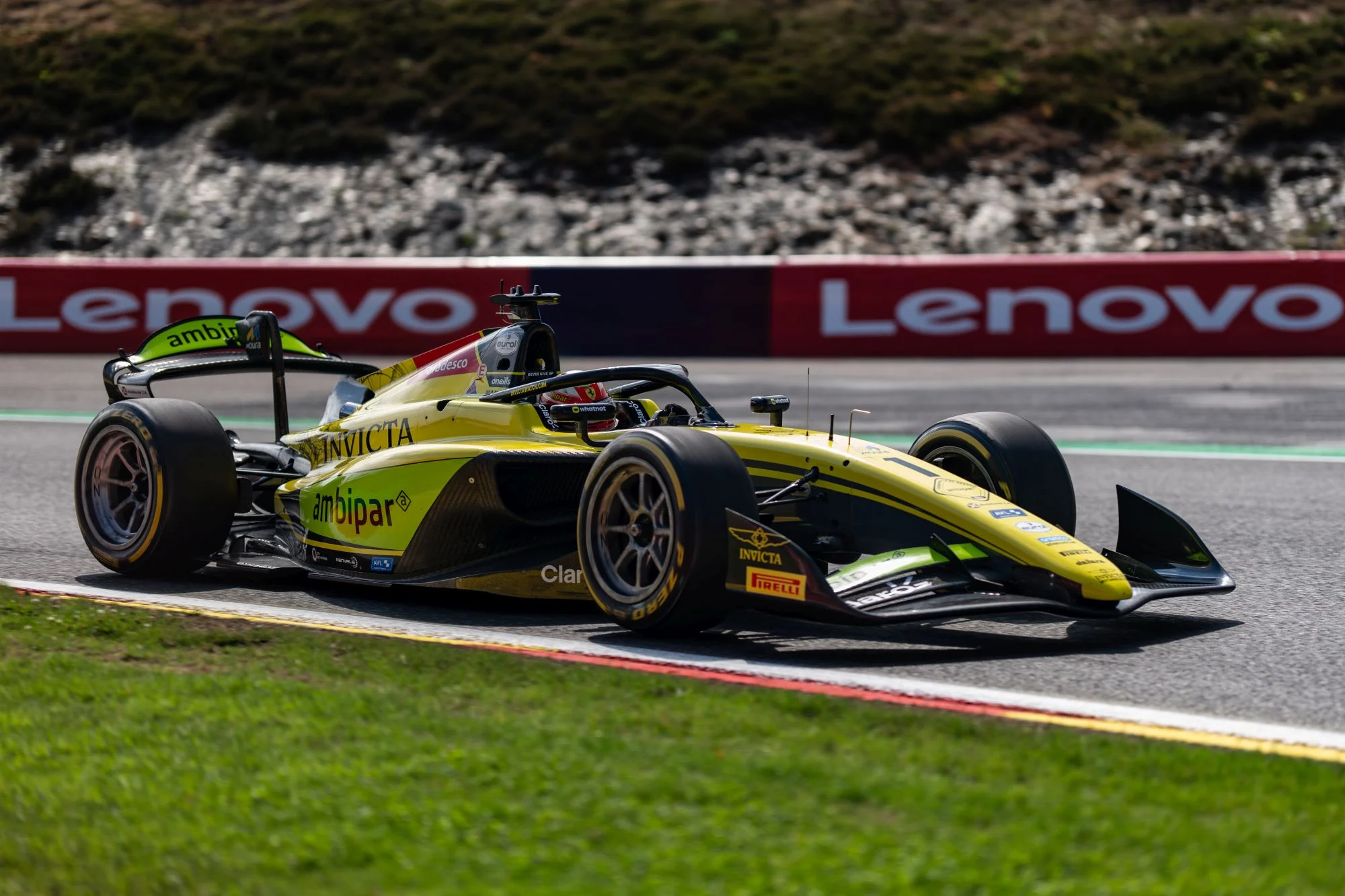
The Audi case might be one of the most interesting on the grid. Nico Hülkenberg leads comfortably in qualifying, by 7-3, confirming his speed and his experience in extracting immediate performance from the car. But in the races the scene flips: Gabriel Bortoleto comes out ahead 4-3. The Brazilian is also the team’s only driver so far with a top-10 finish, with one appearance against none for the German. Audi has only two points in the world championship up to Barcelona, the result of Bortoleto’s P9 in Australia. Bortoleto sits 17th in the drivers’ standings.
That snapshot considerably changes the reading of Bortoleto’s season. On Saturdays, Hülkenberg still holds a clear advantage. On Sundays, however, the Brazilian has been delivering better results. There’s also context: Hülkenberg missed important opportunities, such as the incident with Carlos Sainz in Monaco and the unusual Barcelona moment, when a rock struck the car and triggered an emergency system. Still, the race results favoring Bortoleto are meaningful and show that his progression shouldn’t be assessed only by qualifying performance.
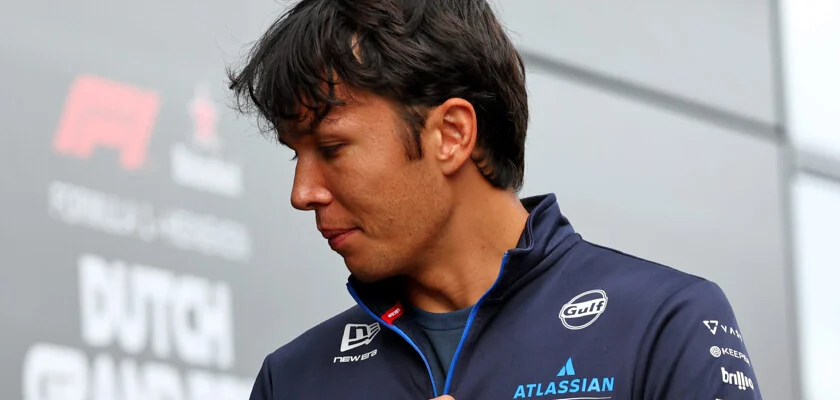
In Williams, Carlos Sainz also shows a consistent edge over Alexander Albon. The Spaniard leads 8-2 in qualifying, 5-2 in races, and 3-2 in top-10 finishes. The gap underscores Sainz’s quick adaptation to the new environment and reinforces his role as the team’s main reference in 2026.
In Haas, Oliver Bearman defeats Esteban Ocon 7-3 in qualifying, 4-3 in races, and 3-2 in top-10 finishes. The Brit has been building a solid season, especially considering his teammate’s level of experience. The lead is clear, but less pronounced on Sundays than on Saturdays, indicating that Ocon can still balance part of the contest in race pace.
In Alpine, Pierre Gasly and Franco Colapinto are tied in qualifying at 5-5. The Frenchman, however, opens a gap in the races, 5-2, and also in top-10 finishes, 6-4. It resembles Mercedes in logic: Saturdays are balanced, but Sundays show who has converted opportunities better.
Alonso dominates; Cadillac remains scoreless
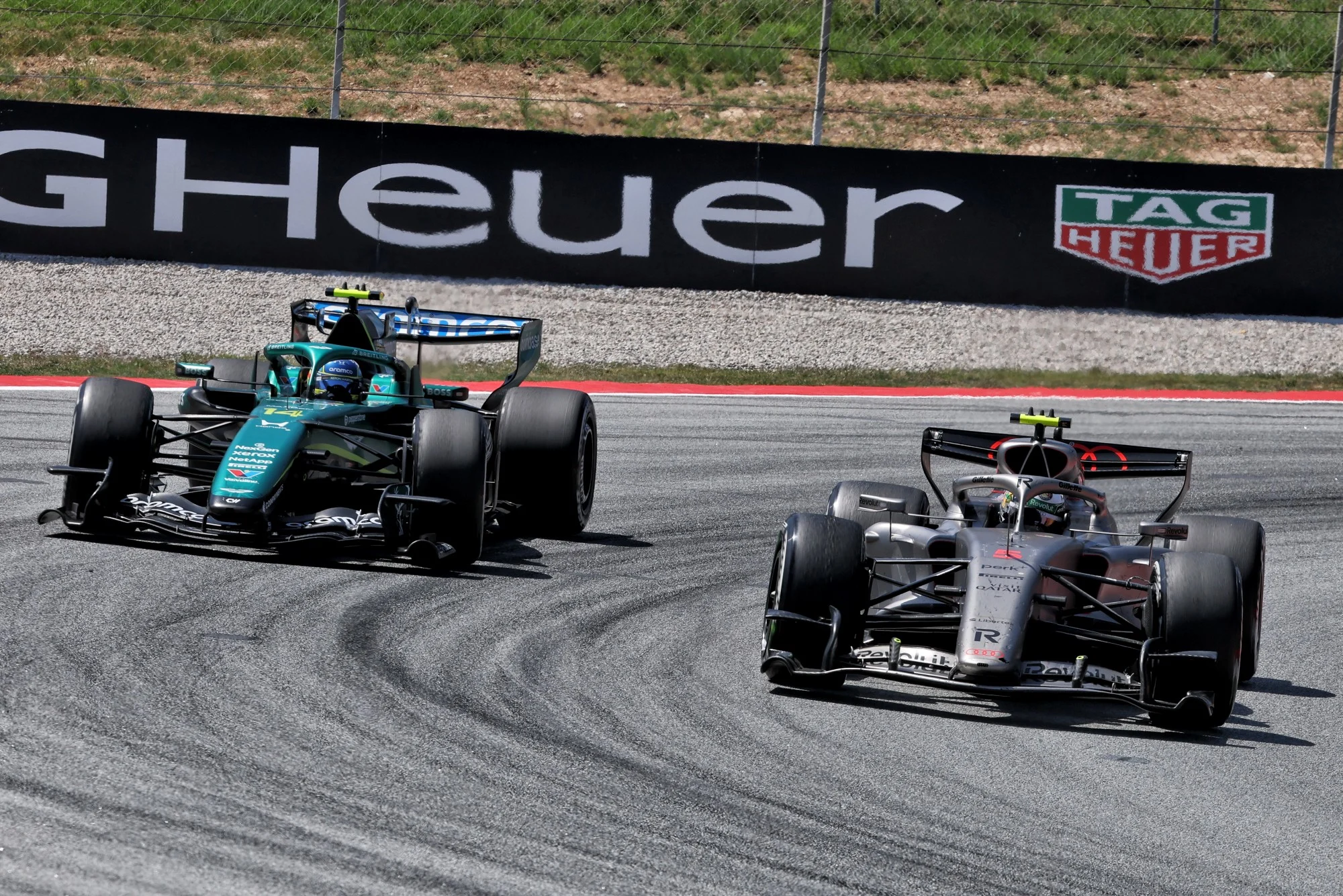
In Aston Martin, Fernando Alonso drives the most unbalanced internal matchup on the grid. The Spaniard leads Lance Stroll 9-1 in qualifying, 3-1 in races, and 1-0 in top-10 finishes. Even at 44, Alonso continues to extract more from the car in nearly every scenario. It is the clearest domination among teammates so far.
At Racing Bulls, Liam Lawson controls the dispute against Arvid Lindblad. The New Zealander leads 6-4 in qualifying, 5-2 in races, and 5-3 in top-10 finishes. Lindblad is far from a faded rookie, but Lawson has been more consistent and has been turning performance into results more effectively.
The Cadillac closes the list with a particular reading. Sergio Pérez leads Valtteri Bottas 7-3 in qualifying and 5-2 in races, making clear that he is the reference for the team in its debut season. But the more worrying fact is collective: Pérez and Bottas have yet to record a top-10 finish. Cadillac is the only team on the grid that has not scored any points in 2026, which in itself summarizes the project’s early difficulties.
In the end, the numbers show that beating the teammate does not mean the same thing in every case. Antonelli turns Saturday balance into Sunday domination. Hamilton took the lead at Ferrari with consistency. Norris and Piastri keep the tightest contest among the top teams. Bortoleto trails in qualifying, but already surpasses Hulkenberg in races. And Alonso remains the strongest example of internal dominance.
With eight rounds completed, there is still room for changes. But some trends are already clear: in Formula 1, before winning the championship, each driver must beat their teammate. And in 2026, some of these internal battles are telling stories as interesting as the title fight itself.