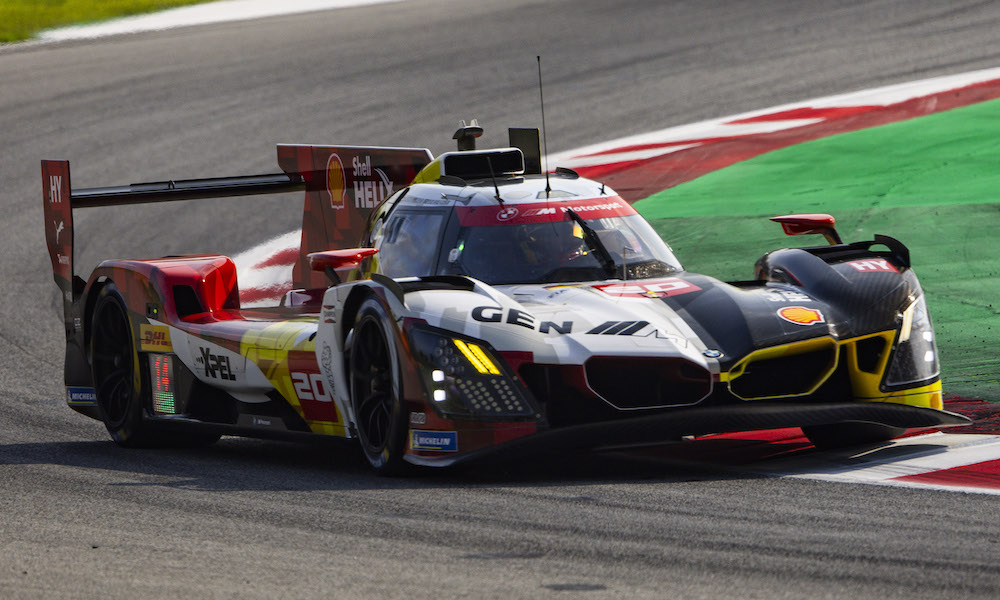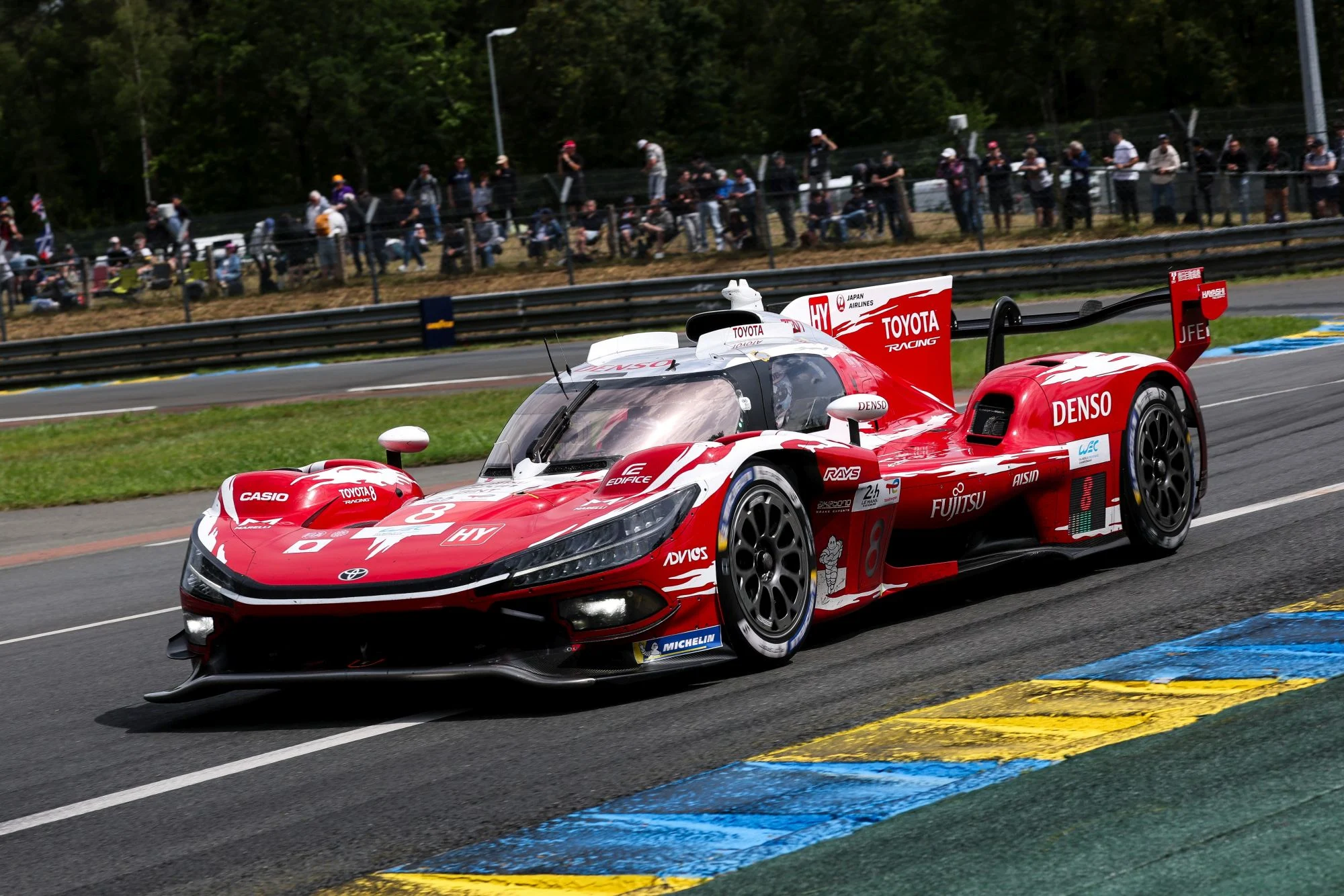
One of the main features of the WEC, the world endurance championship that arrives in Brazil to contest the 6 Hours of São Paulo, scheduled for this Sunday (12) at the Interlagos circuit, is the division into categories, Hypercar and LMGT3. In the races, TOYOTA RACING competes with the Toyota TR010 HYBRID in Hypercar, while Akkodis ASP Team runs the Lexus RC F LMGT3 in LMGT3.
The two categories have notably different characteristics. Hypercar emerged as a replacement for the old LMP1, and can be built under two regulations: LMH (Le Mans Hypercar) and LMDH (Le Mans Daytona Hypercar), with the latter intended for cars that can also be used in IMSA. The Toyota TR010 HYBRID is built in accordance with the LMH regulation.

Hypercars in the WEC may be hybrids, as is the Toyota Racing model, or not; they feature four-wheel drive with a hybrid powertrain, weigh 1,030 kilograms, and can reach a maximum speed of 330 km/h. Since joining the World Endurance Championship, the Japanese manufacturer has consistently used models that combine an internal combustion engine with an electric motor.
In the hybrid models, as is the case with 16 of the 18 cars on the grid, including the two Toyota TR010 HYBRIDs, the electric motor (MGU-K) is not allowed to produce more than 200 kW of power. The combined output must not exceed 500 kW, or 680 hp.
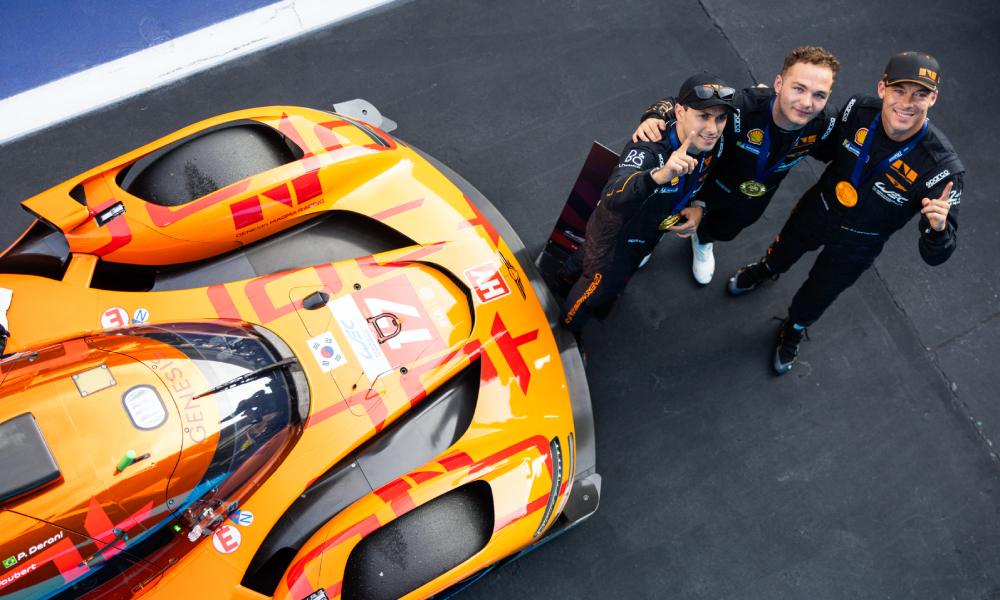
LMGT3, the WEC’s second class, features production-based cars prepared for racing. Officially there are no factory-backed teams as seen in the Hypercar class. In this year’s edition of the 6 Hours of São Paulo, the French Akkodis ASP Team will line up, once again, two Lexus RC F LMGT3s.
The LMGT3 grid cars weigh from 1,250 kilograms, can produce between 500 and 600 horsepower, and reach a top speed of 300 km/h. In addition, all cars and engines must strictly comply with the FIA regulations for the GT3 category and must be homologated for use in WEC races.
For the Hypercar race, TOYOTA RACING will field two cars. In the Toyota TR010 HYBRID number 7, the lineup will be Mike Conway, Kamui Kobayashi and Nyck de Vries, while the number 8 car will feature Sébastien Buemi, Ryo Hirakawa and Brendon Hartley, who is eager to return to racing in Brazil this weekend.
“We always perform well at Interlagos, except for last year, and it’s a fun circuit to drive. The Brazilian crowd is always very enthusiastic, and we also receive a lot of support from Toyota do Brasil, so we all enjoy racing there. After Le Mans, the next phase of the season is starting, and it’s exciting to fight for the world championships again,” Hartley says.
In LMGT3, there are two Lexuses in the mix. Car number 78 will feature Tom van Rompuy, Hadrien David and Esteban Masson. Car number 87 will be crewed by Petru Umbrarescu, Clemens Schmid and José María López, the “Pechito,” who has previously defended TOYOTA RACING in the Hypercars.
The WEC schedule in Interlagos opens on Friday (10), with two free practice sessions. Saturday will feature one more practice session and the qualifying that will determine the starting grid. The 6 Hours of São Paulo will take place on Sunday, starting at 11:30, with broadcasts on BandSports and YouTube.