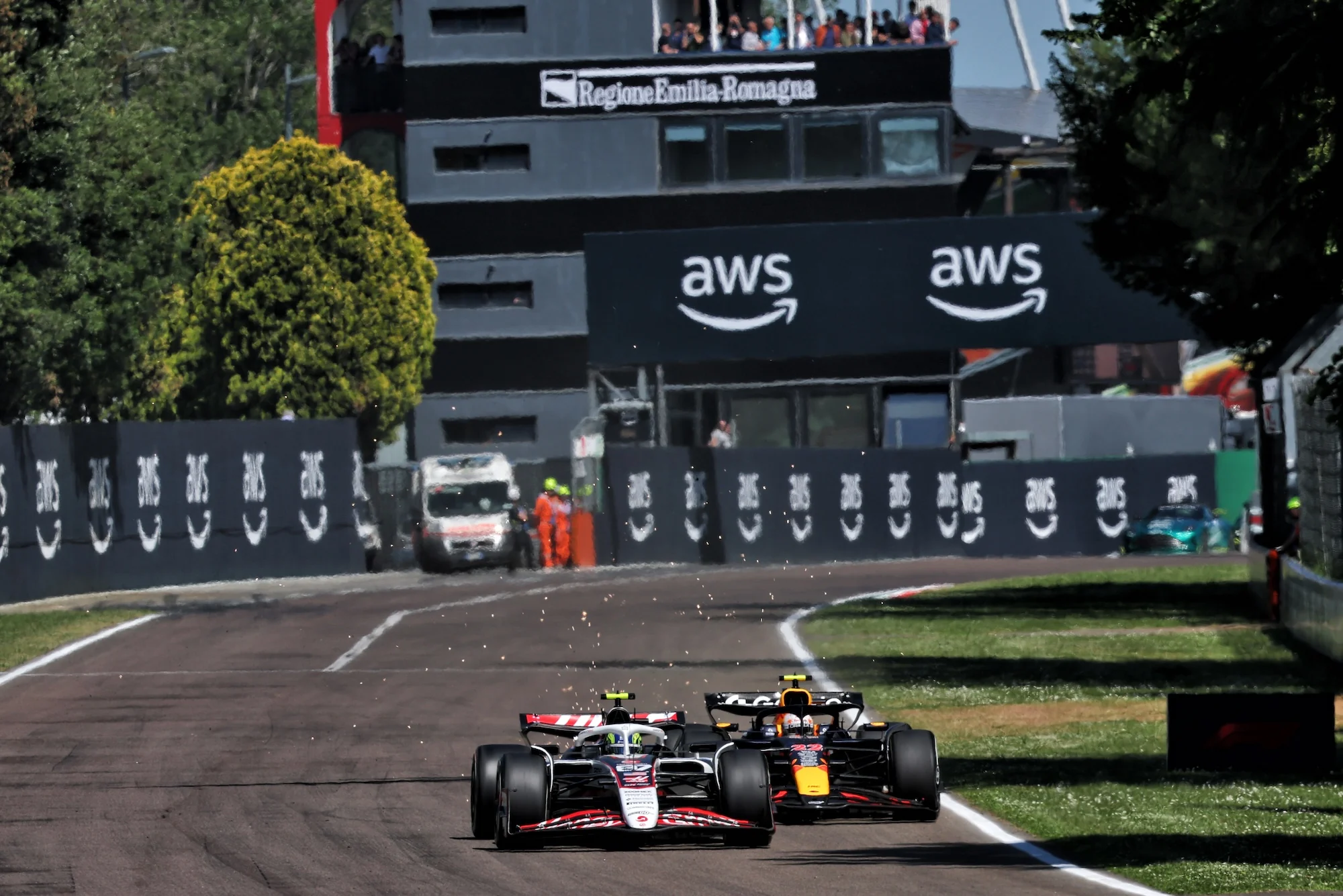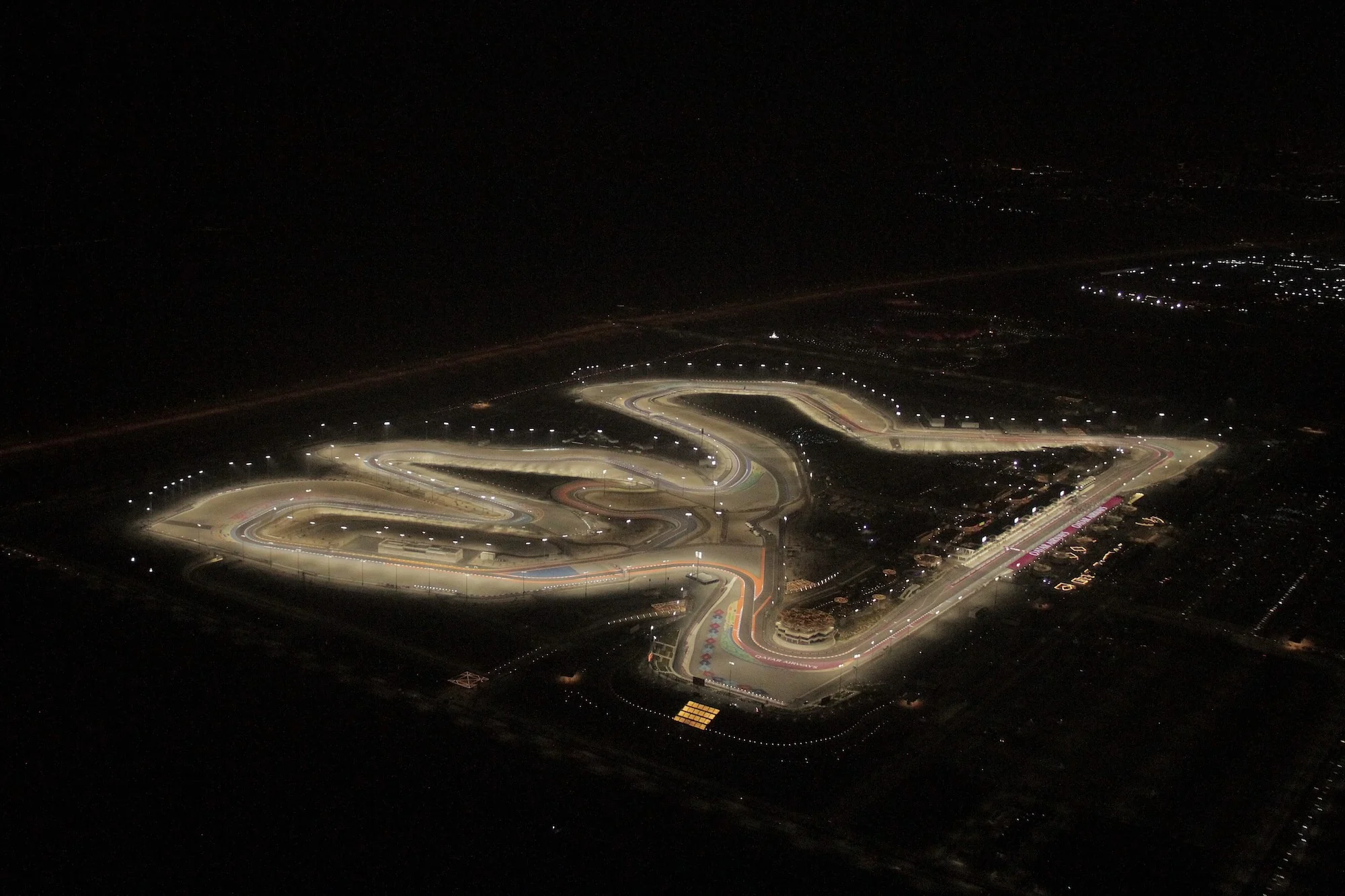
Formula 1 has decided to keep the 2026 season finale in the Middle East, with races in Qatar and Abu Dhabi, and has ruled out Imola as a reserve circuit. However, the decision does not put to rest the questions about Max Verstappen’s participation, who conditioned his trip to the region on security guarantees and on the evolution of the situation in the coming weeks.
According to The Independent, FOM will inform those responsible for the Italian circuit that preparations to host an F1 Grand Prix could be halted. The calendar will proceed as planned, with a final stretch of three consecutive events: Las Vegas on November 21, Qatar on the 29th, and Abu Dhabi on December 6.
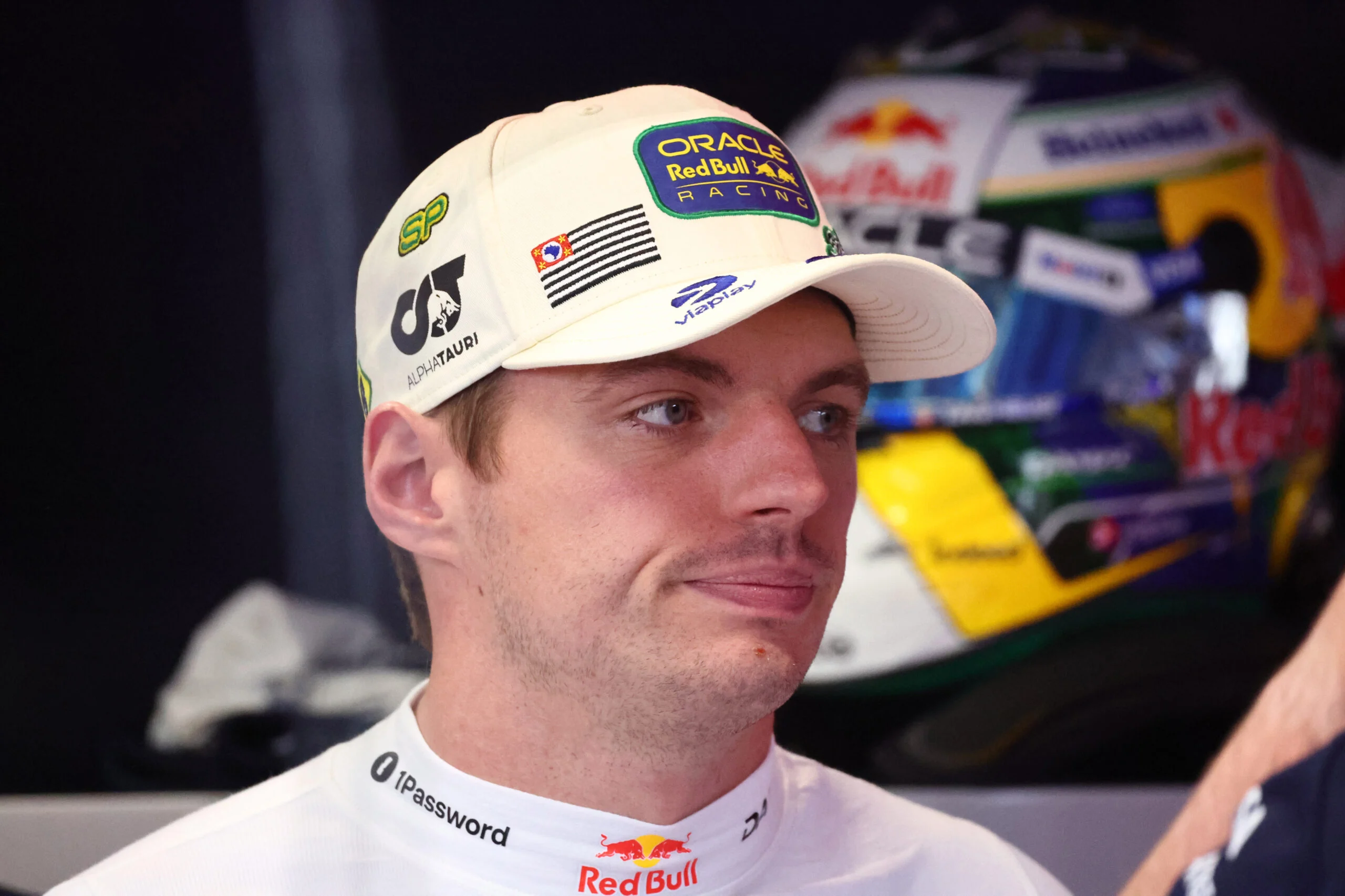
Verstappen was one of the drivers who spoke most openly on the subject. In September, the Dutchman told Viaplay that he did not consider it appropriate to travel to the region if the conflicts between the countries persisted. Later, he denied that he was threatening to boycott the events and explained that his presence would depend on the conditions offered.
During the weekend in Mexico, the Red Bull Racing driver detailed his criteria: “Everything depends on the security guarantees we can receive and on what will happen in the coming weeks. At this moment, I can say: ‘Yes, I would be happy to go there’. However, no one knows if that will still be true next week, given the unstable situation in the region,” he said.
Already at the Brazilian Grand Prix last weekend, Verstappen adopted a more cautious stance: “I trust that the FIA and Formula 1 will make the right decision. I follow the news, but in the end, we only know about 10% of what’s really happening there,” he said.

One of the known safety measures already identified involves the Lusail circuit. According to information, the race track has an internal shelter plan that provides for the use of a tunnel under the track, with a capacity for 3,500 people, and the pit building, which can accommodate another 8,100.
The FIA said it is closely watching the developments in the Middle East and staying in touch with national authorities, member clubs, FOM, teams and other parties involved. Still, there is no public information that the drivers have received individual guarantees. Formula 1 also argues that travel guidelines and insurance conditions have remained unchanged since May.
The second criterion mentioned by Verstappen is harder to control, the evolution of the regional scenario. At Austin, Carlos Sainz, GPDA director, considered it “relatively premature” to express confidence in ending the season in the Middle East. The Spaniard also acknowledged that the drivers do not have access to all the information available to the FIA and Formula 1.
With Imola out of the plans, the sport also loses a European alternative should the situation worsen before the teams arrive in Qatar. Verstappen’s decision, and possibly that of other drivers, still depends on factors that are not defined.