Formula 1 continues to make headlines at the start of 2026, with topics pointing to a significantly different scenario from the next season onwards. With technical advancements, sporting changes, and the arrival of new names on the grid, the day was marked by analyses that help shape what the new era of the category will look like.
One of the highlights was the assessment that Aston Martin may enter 2026 on an equal footing with Mercedes and Red Bull. The project led by Adrian Newey, combined with the partnership with Honda, has placed the team on a level that is beginning to be seen as a real threat to the traditional forces of Formula 1. The expected performance of the new car, combined with the recently consolidated structure, reinforces the perception that the balance may increase significantly in the next technical cycle.
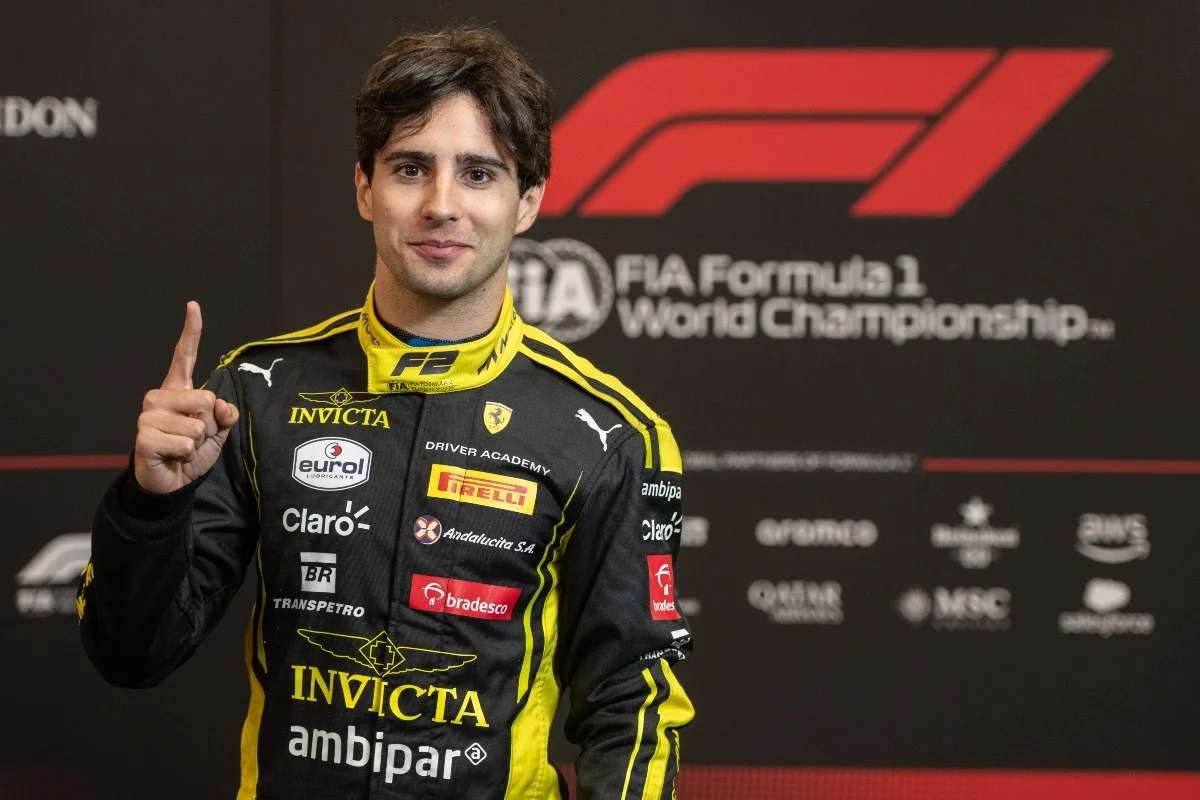
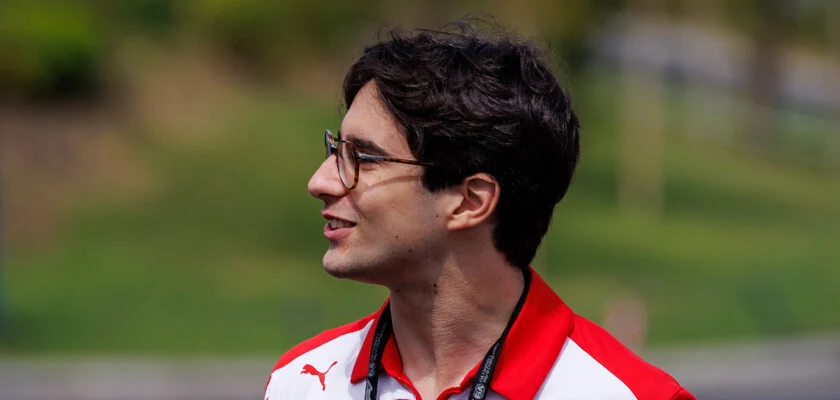
Another relevant topic of the day involved the new talents arriving on the grid. Max Verstappen pointed out Gabriel Bortoleto and Kimi Antonelli as the top highlights among the rookies. The four-time champion highlighted the potential of both and indicated that the new generation arrives more prepared than ever, at a time when Formula 1 is undergoing profound technical and sporting transformations.
Still in the field of young drivers, Isack Hadjar drew attention by adopting a realistic discourse about the possibility of being Verstappen’s teammate. The driver recognized that, at least initially, it would be natural to be at a level below the Dutchman, highlighting the difference in experience and the complexity of competing alongside one of the most dominant names in the recent history of the category. The statement reinforces the tone of caution that many newcomers have adopted in the face of the challenges of the current grid.
Finally, important changes in the sporting format also came up for discussion. The Formula 1 classification will undergo adjustments in 2026 due to the increase in the grid, with the entry of an 11th team. The Q1 and Q2 will have additional cuts, eliminating more drivers in each phase, while the Q3 will continue to bring together only the ten fastest. Despite the larger grid, the scoring system will remain unchanged, with points only for the top ten finishers in the races.
The set of news from the day reinforces that Formula 1 is heading towards a season of profound transition. With new forces emerging, young talents gaining space, and sporting rules adjusted, 2026 promises to be a turning point for teams, drivers, and fans of the category.