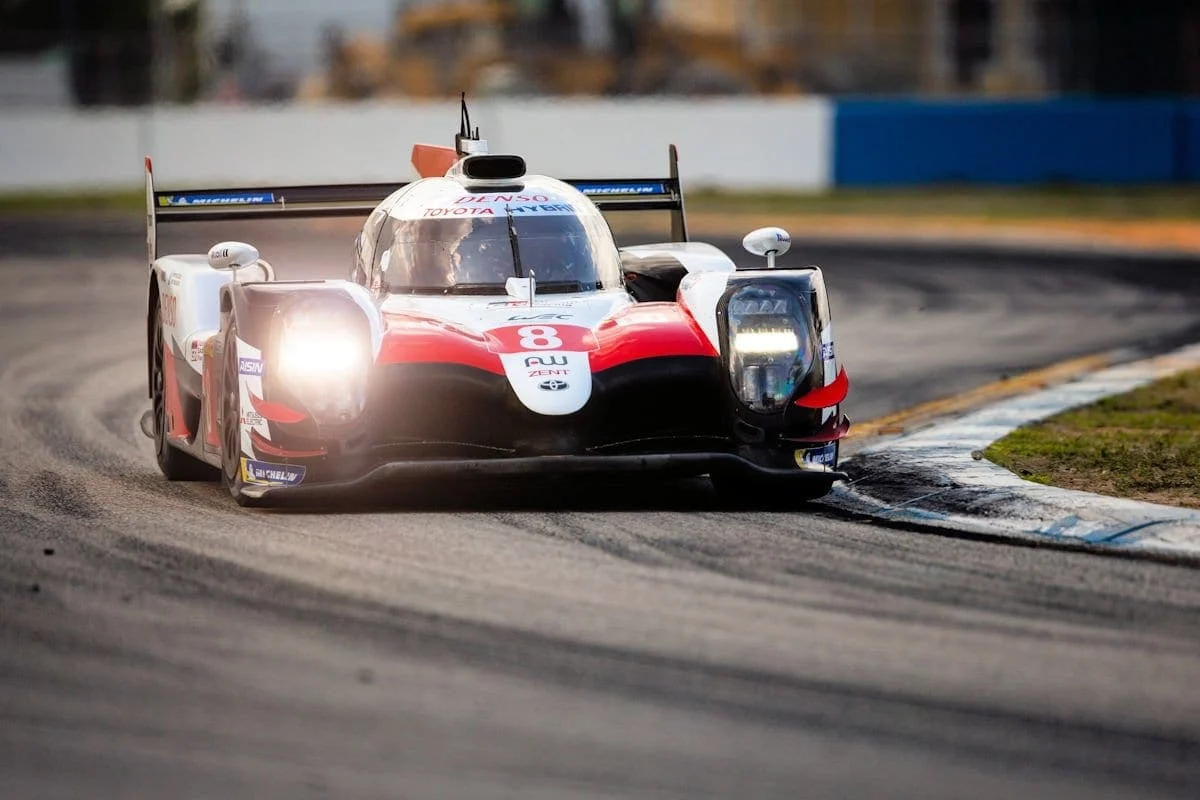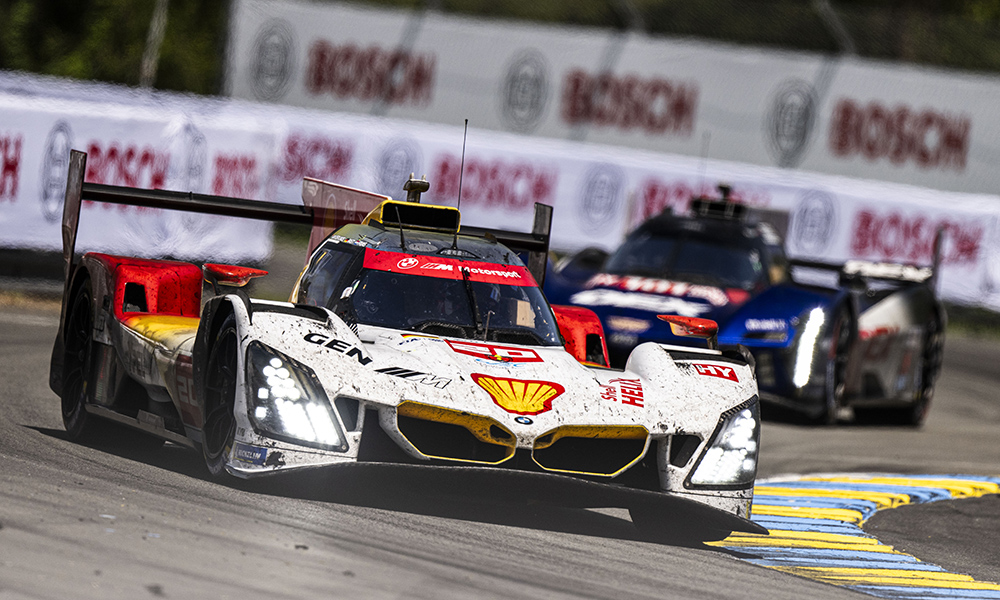
Robin Frijns, behind the wheel for BMW Team WRT, described the final safety-car phase at the 24 Hours of Le Mans as painful after the squad had built up a substantial lead, notably over the Toyota TR010 Hybrids, only for that cushion to vanish and erase its chances of clinching victory.
Frijns, teamed with Sheldon van der Linde and Rene Rast, delivered a runner-up result, giving BMW its first overall podium at the storied French endurance classic since the brand’s last triumph there in 1999.
Nevertheless, the outcome occurred in a race that saw the No. 20 BMW M Hybrid V8 lead the second-largest number of laps in Hypercar and looked poised for a historic success.
Then, with just under six hours remaining, a major crash involving Ayhancan Guven in the No. 91 Manthey Porsche 911 GT3 R Evo wiped out Frijns’ 30-second margin over the No. 12 Hertz Team JOTA Cadillac V-Series.R of Norman Nato and a 45-second gap to the third-placed Kamui Kobayashi.
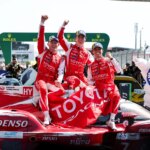
Kobayashi, together with Mike Conway and Nyck de Vries, went on to secure Toyota’s sixth overall victory at the event by exploiting the race’s neutralisation.
Asked for his thoughts on the safety-car period, Frijns replied: “Yeah, painful.”
“The [No. 8] Toyota boxed, or developed an issue about an hour before that, something with the brakes. I wouldn’t say they were out of contention then, but they dropped.”
“We were a bit out of reach at that moment but then they re-entered the fight and we knew the Toyota was very strong.”
“They showed good pace, especially early in the race when they undercut rivals. That was a big disappointment for us.”
Van der Linde added: “The safety car is where it all went wrong for us. We had the lead at that point, we had track position and then at some stage we lost the lead because we had to fill up the most energy.”
“It’s so difficult to overtake at Le Mans. Especially when the Toyota has that kind of pace, you must take substantial risks in traffic and we also needed to protect our car because if you cut the chicanes incorrectly, you could damage the car, the floor, and there’s a possibility you won’t finish the race.”
Frijns, who pulled off a daring pass on the outside of Sebastien Buemi’s No. 8 car in the Porsche Curves to take second with 47 minutes remaining, said he wasn’t surprised by the pace of the two Toyotas, which began from rows 14 and 15 on the grid.
“I think Toyota was always on the radar because they showed solid race pace,” he said. “Qualifying is one thing. Obviously you want to start at the front, and it’s always nice to begin from pole.”
“But at the end of the day, it’s a 24-hour race. After two hours, everything changes again.”
WRT team principal Vincent Vosse told reporters after the race that they had put “everything on the table” to chase the win.
Frijns crossed the line just 10.913 seconds behind Kobayashi, marking one of the closest finishes in the history of the event.
“There’s nothing to regret,” said Vosse. “It was a very strong race, a faultless effort from the drivers, from the crew, from the car. We gave it all we had. For the single manufacturer that had doubts during Free Practice that we were leaving nothing on the table, now they know. We were, as I always say, at the right place at the right time. During the two safety-car periods we were a bit unlucky. But we could not dream of a more perfect race.”
Roos: No. 20 BMW Was on “Back Foot” on Two Fronts
BMW M Motorsport director Andreas Roos, meanwhile, revealed that the No. 20 crew found themselves on the back foot on two fronts late in the race, also having to adapt its energy strategy.
He explained: “Towards the end, just before the safety car, we had a clear advantage in track position, as we were ahead, but we carried a small energy deficit.”
“The safety car basically wiped out our track-position advantage completely and we were left with the energy deficit.”
“From that moment, we were clearly on the back foot. Then we had to see we re-enter the same energy rhythm as the others.”
“So you start to run 13‑lap stints and so on.”
When asked whether they would have won if the safety car had not appeared, Roos replied: “No, I wouldn’t say that because that would be stretching it.”
“It would have certainly placed us in a different position, in a different situation. But you can never claim that we would have won because of this. That is something I would never say.”
Both van der Linde and Rast, meanwhile, carried mixed feelings after guiding the German marque to its second 24-hour podium this season, following a third-place finish in January’s Rolex 24 at Daytona that also featured Frijns.
“I don’t know whether to smile or cry,” admitted van der Linde. “If you focus on the positives, it was an extraordinary milestone for the program, and I think it’s vital for BMW to show that we’re not only strong in one race but consistently competitive and regularly scoring results.”
Rast added: “That’s racing, that’s Le Mans. Anything can happen at Le Mans, as we know. Sometimes you’re lucky and sometimes you’re not.”