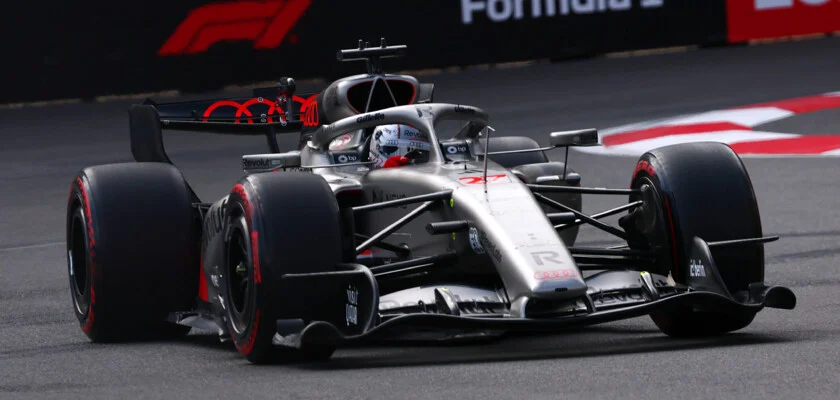
The return of Formula 1 to Malaysia is already moving Sepang, with demand that even rivals the best years of the country’s former Grand Prix. About 95,000 tickets for the three days of the event have been sold, and half of the buyers come from abroad.
For Azhan Shafriman Hanif, the CEO of the Sepang International Circuit, the presence of tourists is one of the main gains for the local economy: “From the ticket buyers we saw that 50% are from abroad. This is good for us. The more tourists come and spend, the better for the economy.”
Tickets are sold exclusively in three-day packages, with no option to purchase a single day. With the current demand, Azhan believes Sepang will reach 100,000 tickets sold. “We are confident that the number will reach 100,000. Looking at all the different races that F1 has held this year, the numbers have been phenomenal. We believe the experience we have created here with Bahrain will be spectacular.”
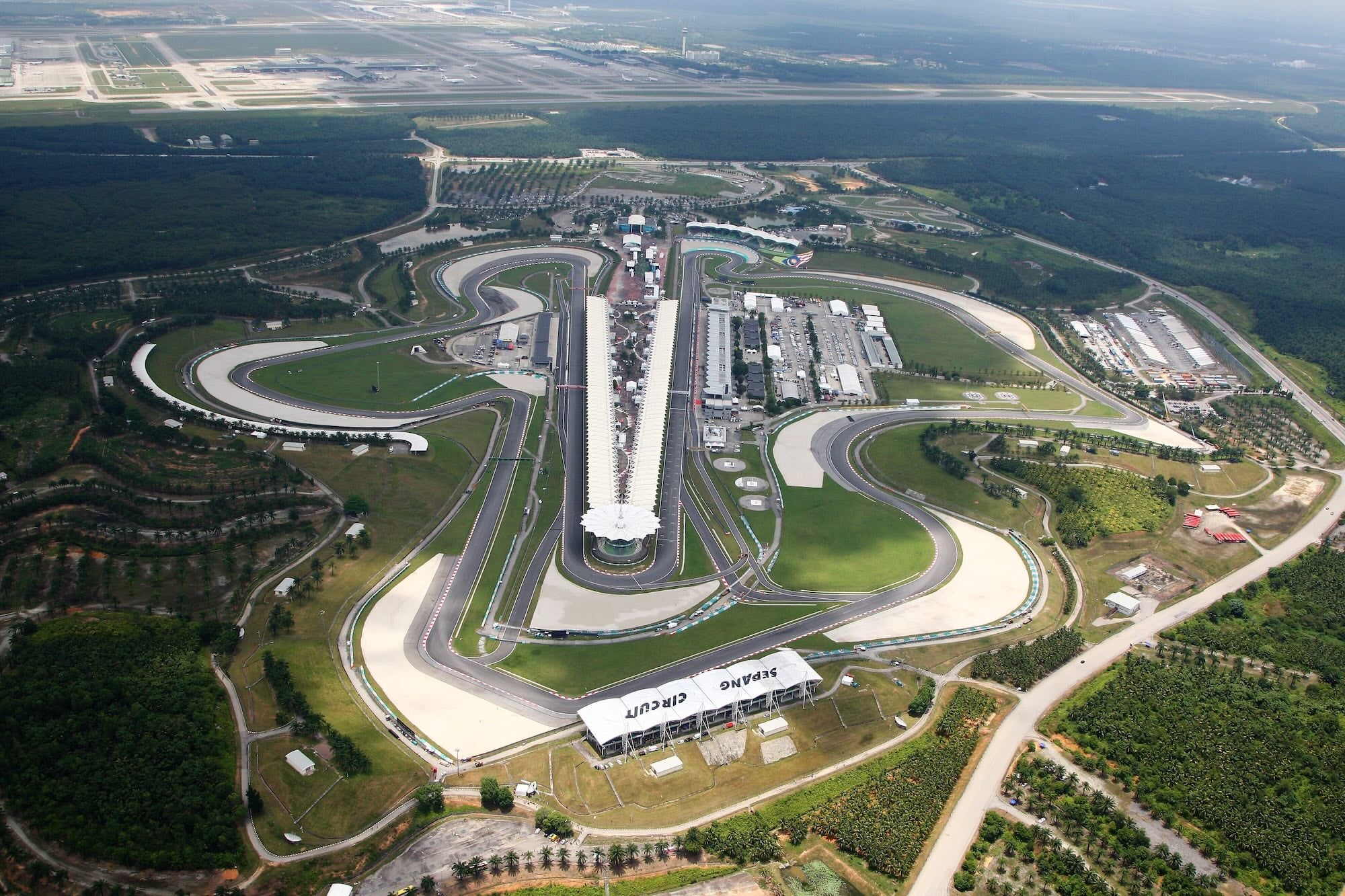
The expectation is that this weekend’s crowd will be far higher than what the Malaysia Grand Prix’s last years used to register. “I think in the glory days (of the Malaysia GP), it came close to around 40,000 to 50,000 tickets sold. But this time, it’s unprecedented. We’ve seen the strength of two powerful nations working together. It’s a unique event, so I think it will be an attraction for everyone.”
Still, Sepang’s all-time attendance record remains above the current numbers. In 2008, the circuit hosted 126,690 people over three days.

The drop in attendance was precisely one of the factors that led to the end of the Malaysia Grand Prix. In late 2016, Malaysian authorities announced that only 45,000 people had attended that year’s race, despite the circuit’s capacity for 120,000 fans. In April 2017, then-Prime Minister Najib Razak confirmed the race’s termination, citing “the low return in comparison with the cost of hosting the race.”
Now, attendance estimates have risen again. On Monday, The Star reported that more than 110,000 spectators were expected for the weekend, a figure higher than the roughly 95,000 tickets sold by the circuit up to that point.
The return of Formula 1 comes nine years after the Malaysia Grand Prix’s last edition. Sepang hosted the category every year from 1999 through 2017, when the race left the calendar.