Ferrari’s performance and regulations chief Mauro Barbieri has conveyed satisfaction that the best of the Italian marque’s cars finished in fifth place at the 24 Hours of Le Mans, despite carrying what he described as the fourth or fifth-best package within the Hypercar category.
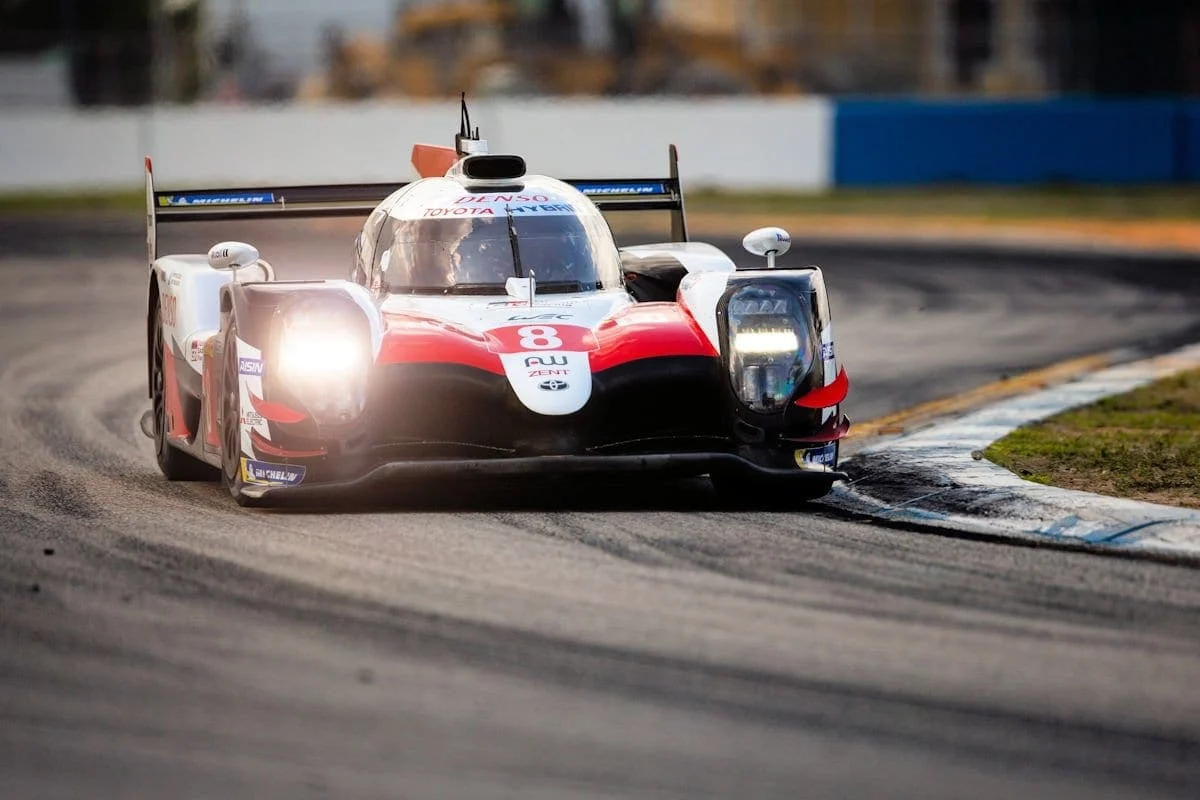
The long-running dominance of Ferrari’s 499P in the FIA World Endurance Championship’s premier class over the last three seasons came to a halt at Le Mans when Toyota claimed its first triumph since 2022 with an upgraded TR010 Hybrid.
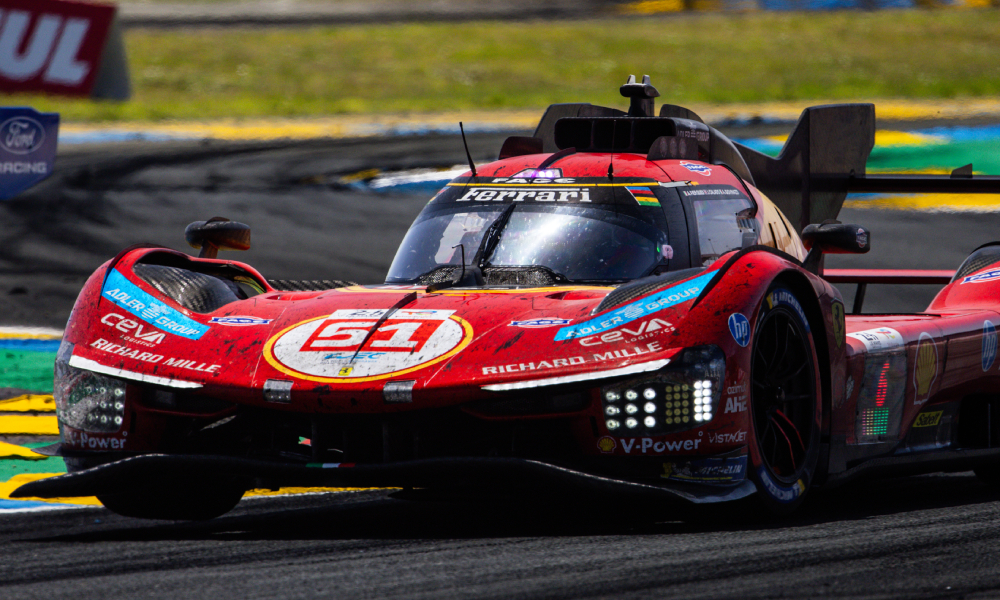
Ferrari’s strongest performer was the No. 51 entry driven by Alessandro Pier Guidi, James Calado and Antonio Giovinazzi, which crossed the line in fifth place, two minutes and twenty-two seconds behind the winner, behind the two Toyotas and the best cars from Cadillac and BMW.
The No. 50 Ferrari retired due to an electrical fault, having already dropped well off the lead lap after a fire extinguisher had to be replaced, while the AF Corse entrant No. 83, which had won the previous year, finished seventh behind the leading Alpine.
Barbieri characterised the Hypercar field as unbalanced from the outset of the weekend, noting the test day in particular, and acknowledged that Ferrari understood it could not outpace Cadillac, BMW or Toyota on outright speed, placing its performance roughly on a par with Alpine.
“From the test day onward, there were seven cars ahead of us, with probably two more considering the Alpine duo,” Barbieri explained. “So finishing fifth with our best car, instead of tenth, shows we did the best we could.
“We had the fourth or fifth-best car. We were in the same ballpark as Alpine, and in the final six hours we ran at a similar pace to the No. 35 Alpine, which ultimately overtook the No. 83.”
“The cars ahead of us at the end were a step faster, and we simply couldn’t catch them,” he added.
Barbieri clarified that Ferrari’s deficit wasn’t due to top speed but to acceleration, with the overall lap time lag concentrated in slower corners.
Despite not matching the absolute speed of the leading Hypercars, Barbieri was pleased with the comparatively low number of penalties incurred by Ferrari’s three crews, a contrast to last year’s race, a point the team had pushed to improve over the winter.
Pier Guidi incurred the sole penalty among the works Ferraris when he collided with Jonas Ried’s Proton Competition LMP2 late in the evening, while the No. 83 endured just a single five-second penalty for an unsafe release.
“I think we placed greater emphasis on avoiding penalties this time around,” Barbieri said. “We told the drivers that losing time to penalties makes it much harder to score points and stay ahead.”
“Taking a drive-through penalty or even an extra five seconds in the pit is something you have to recover, and that’s a nightmare,” he continued. “We studied last year’s race case-by-case during the winter, and we pushed the team to take another step forward, to keep learning and improving every day.”
Barbieri conceded that Toyota’s strong showing did not surprise Ferrari, suggesting that the Japanese manufacturer’s pace last year—when it struggled with straight-line speed in its previous GR010 Hybrid—was the real anomaly.
“I think they showed that pace already from the test day,” he said. “I was more surprised by Toyota’s poor performance in last year’s race, and I felt for them then.
“Heading here, we knew the Toyota of last year was not the genuine Toyota, and that they would be a top contender, which proved to be the case.”
Toyota grabbed the initiative early in the race despite a mid-pack start in qualifying, shortening the stints of both cars to gain track position and allowing the No. 8 car driven by Sebastien Buemi to establish a substantial early lead.
Barbieri believes Ferrari would not have gained from adopting the same approach, given their lack of raw speed.
“The Toyota strategy is valid and very powerful if you have pace in clean air,” Barbieri observed. “We believed the best way to close the gap was to run in the slipstream of our rivals. We hoped to stay with them, but after a few laps we could not keep up.”
Regarding the extensive use of the Hard compound late in the race, Barbieri stated that it was the clear choice given track temperatures around 50 degrees Celsius.
“Having spent almost a week here, we were able to mix and test different conditions and determine which tires worked best for our car,” he noted. “We also had No. 50 running different tire specifications to gather data, so I wouldn’t fault the tire choices we made—they were optimal for our package.”