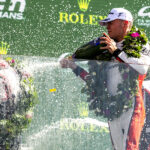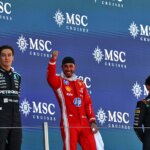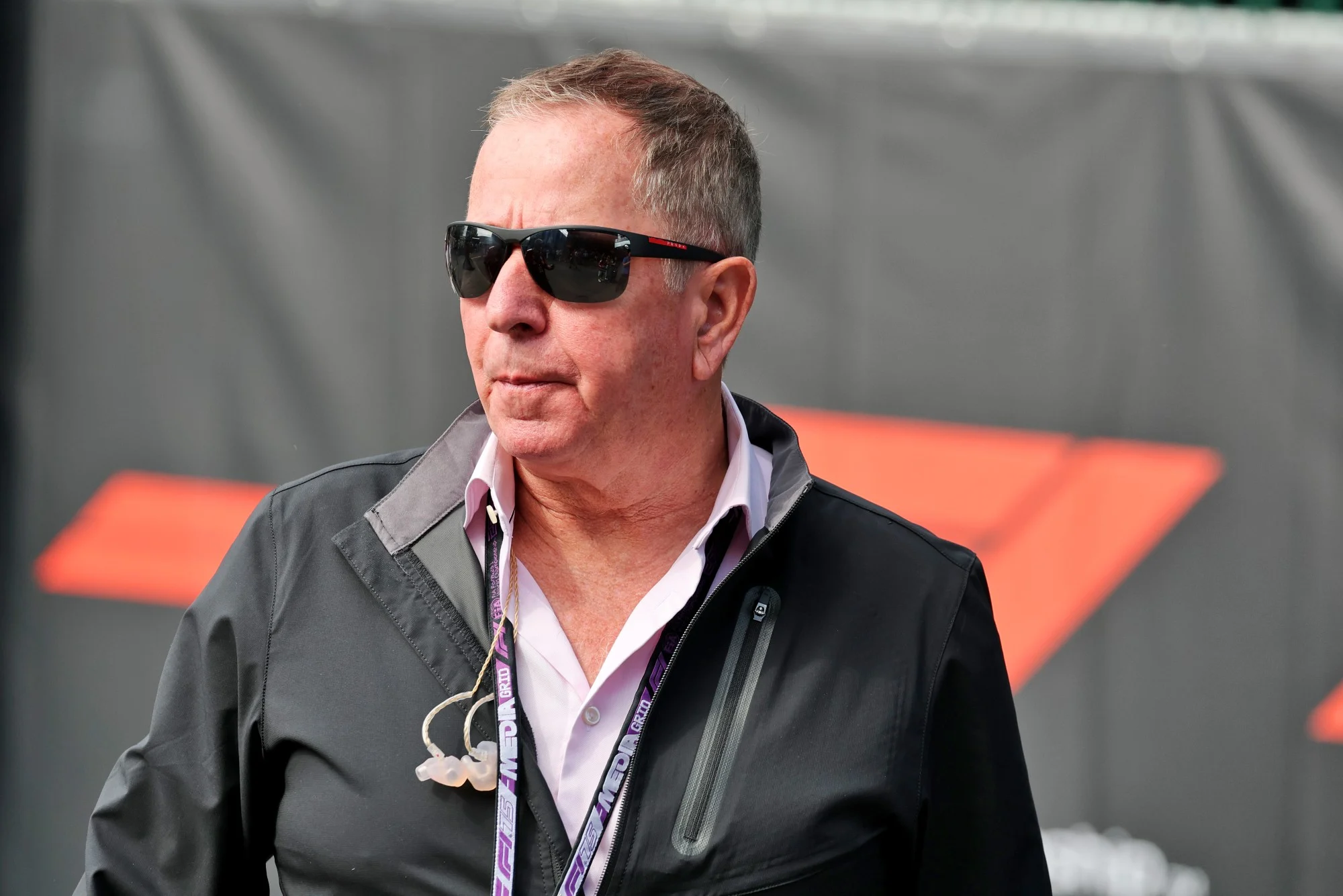
The reinstatement of Pierre Gasly’s third place at the Monaco Grand Prix continues to spark controversy in Formula 1. For Martin Brundle, the decision created an uncomfortable situation and could have significant consequences for the sport’s future.
The former F1 driver believes the case opens a delicate precedent, especially since other teams and drivers managed their races based on the penalties handed out during the race. The debate gained even more traction after appeals filed by Mercedes, McLaren and Red Bull Racing against the FIA’s review that benefited Alpine.
The controversy began after five drivers were sanctioned for exceeding the pit-lane speed limit in Monaco. Four of them served their penalties during the race, but Gasly did not serve his penalty during the race, and, as a result, the penalty times were added after the Grand Prix, allowing Alpine to invoke the so-called ‘Right of Review’ to challenge the stewards’ decision.
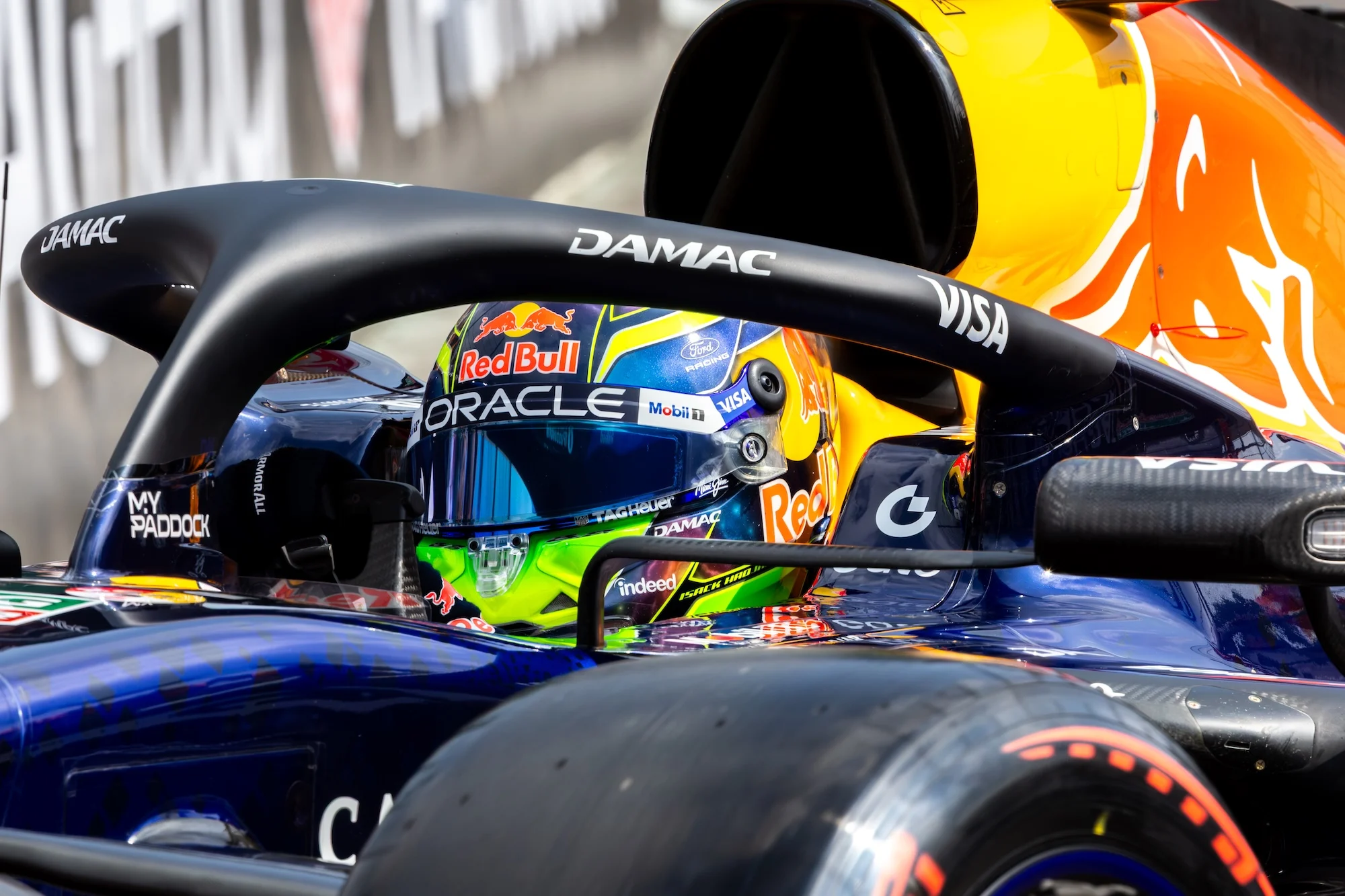
The request was granted and the Frenchman regained the third position he had earned on the track. Initially, the penalties added to the race time had dropped Gasly to seventh, but the review restored his original result and removed Isack Hadjar’s second podium of his Formula 1 career.
In his column for Sky Sports F1, Brundle described the entire situation as extremely complicated: “This is a very complex and uncomfortable decision. Other drivers in Monaco served their penalties and adjusted their strategies accordingly, and Russell’s race was ruined, but because the penalties were not applied after the race, nothing changed retroactively for them in the results,” he said.
The current pundit also noted that Mercedes, McLaren and Red Bull decided to appeal because they felt harmed by the change to the final result: “This also creates a precedent of not enforcing penalties during the race, in order to preserve the right to challenge them afterward. It’s all a mess with no easy solution,” he added.
According to Brundle, the root of the problem lies in the method used by the FIA to monitor speed in the pit lane. The body uses a timing-loops-based system. He said one of the measurement points in Monaco was 77 centimeters shorter than the calibrated length, which resulted in numerous readings of 60.1 km/h when the limit was 60 km/h.
The Briton also noted that the issue had already been discussed since the opening practice sessions of the weekend, and that some teams even adjusted their speed limiters: “Clearly something was wrong with so many identical infringements, and it’s surprising that the stewards weren’t informed about it. Lessons will undoubtedly be learned from this episode, but this story is likely to continue for some time,” he added.