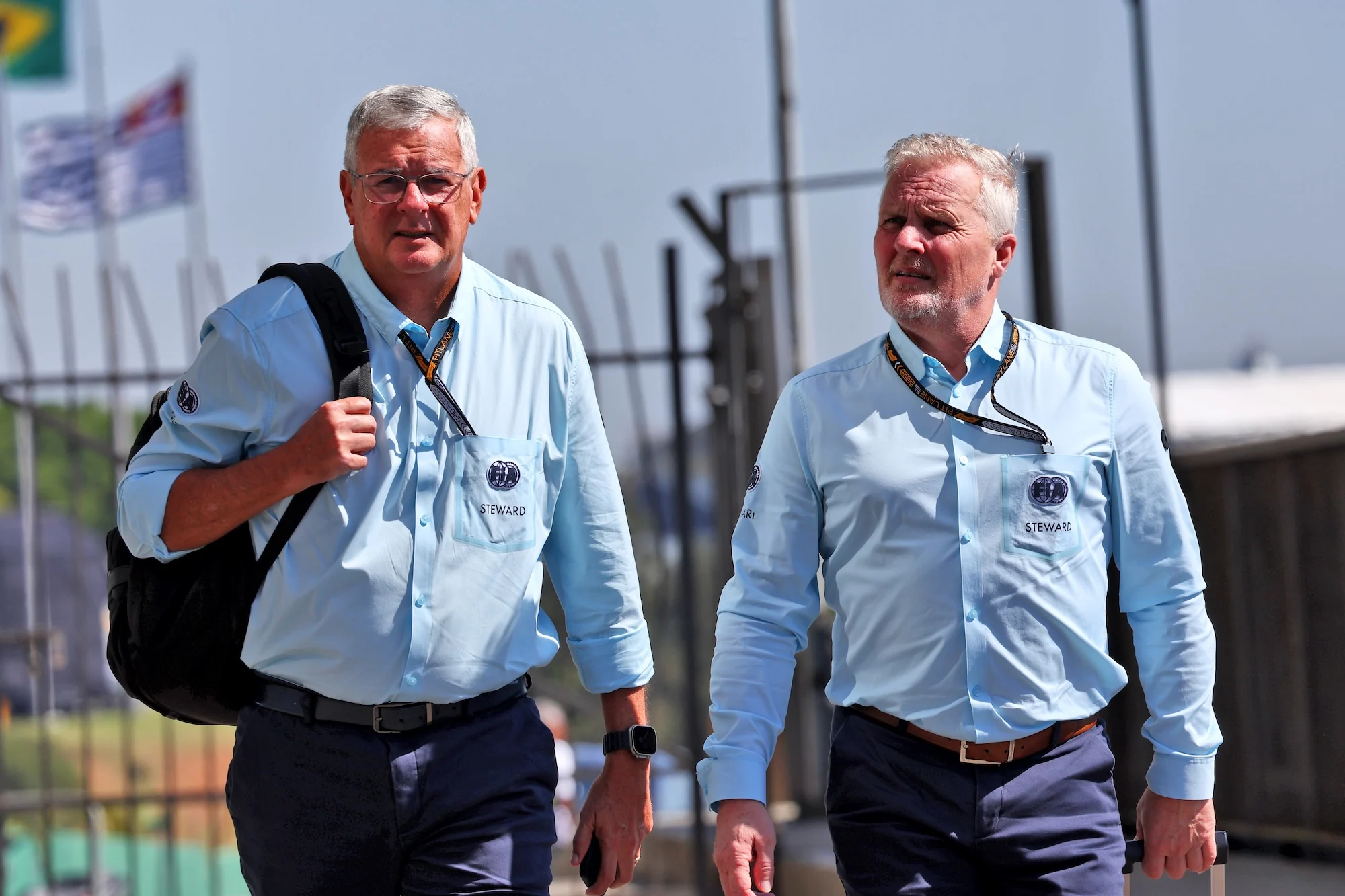
The FIA has confirmed a shift in Formula 1’s incident-judging structure beginning in 2027, introducing permanent race officials for the first time in the sport’s history. The rollout will be gradual, and its main aim is to boost the consistency of judgments across race weekends.
The change will not replace the existing officials. The FIA will adopt a hybrid model, bringing together full-time contracted professionals and members of the current panel who will continue to operate on a part-time basis. The officials who represent the drivers will also be present at each stage, preserving the specific experience they provide to incident analyses.
The rollout will begin by hiring a small group of professionals during the 2027 season. The FIA intends to expand this number in 2028 and in the years that follow, with a view to forming a department of 12 to 15 permanent officials, capable of also providing support to other single-seater categories overseen by the federation.
The recruitment process has already begun and is seeking experienced professionals from international competitions. In addition to participating in judgments, the new members will have responsibilities related to reviewing sporting regulations and the guidelines used to evaluate on-track incidents.
According to the FIA, having professionals dedicated full-time to the role will enable them to identify patterns in decisions, recognize situations that require clarifications of the rules, and improve the application of the criteria across different events. The commissioners will also participate in training new officials through initiatives such as the FIA High Performance Programme.

Mohammed Ben Sulayem, the federation president, stressed that the initiative represents an investment in the quality and continuity of the work performed by the sport’s officiating officials.
“This latest major investment in FIA officiating reflects our commitment to delivering the highest standards of decision-making, fairness, and integrity in motorsport,” he said.
“Hiring full-time commissioners is a significant step in our long-standing mission to build a dedicated officiating structure for the FIA Formula 1 World Championship. It is also an investment in the future of our sport,” he added.
The change forms part of a broader restructuring process begun under Ben Sulayem’s leadership. Earlier measures include reorganizing the Race Direction in 2022, creating a dedicated department for officials, and investing in the federation’s operating systems.
Last month, the FIA also inaugurated a new Remote Operations Center in Biggin Hill, United Kingdom, aimed at supporting race management. The federation says that the recovery of its financial position has allowed expanding these investments.
For Ben Sulayem, the combination of permanent officials, rule refinement, and the development of new professionals should strengthen the FIA’s ability to maintain consistent judging criteria not only in Formula 1 but also across the other championships under its purview.