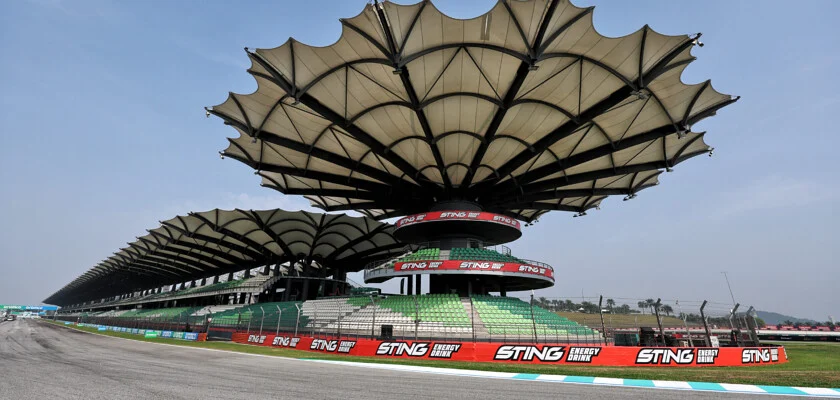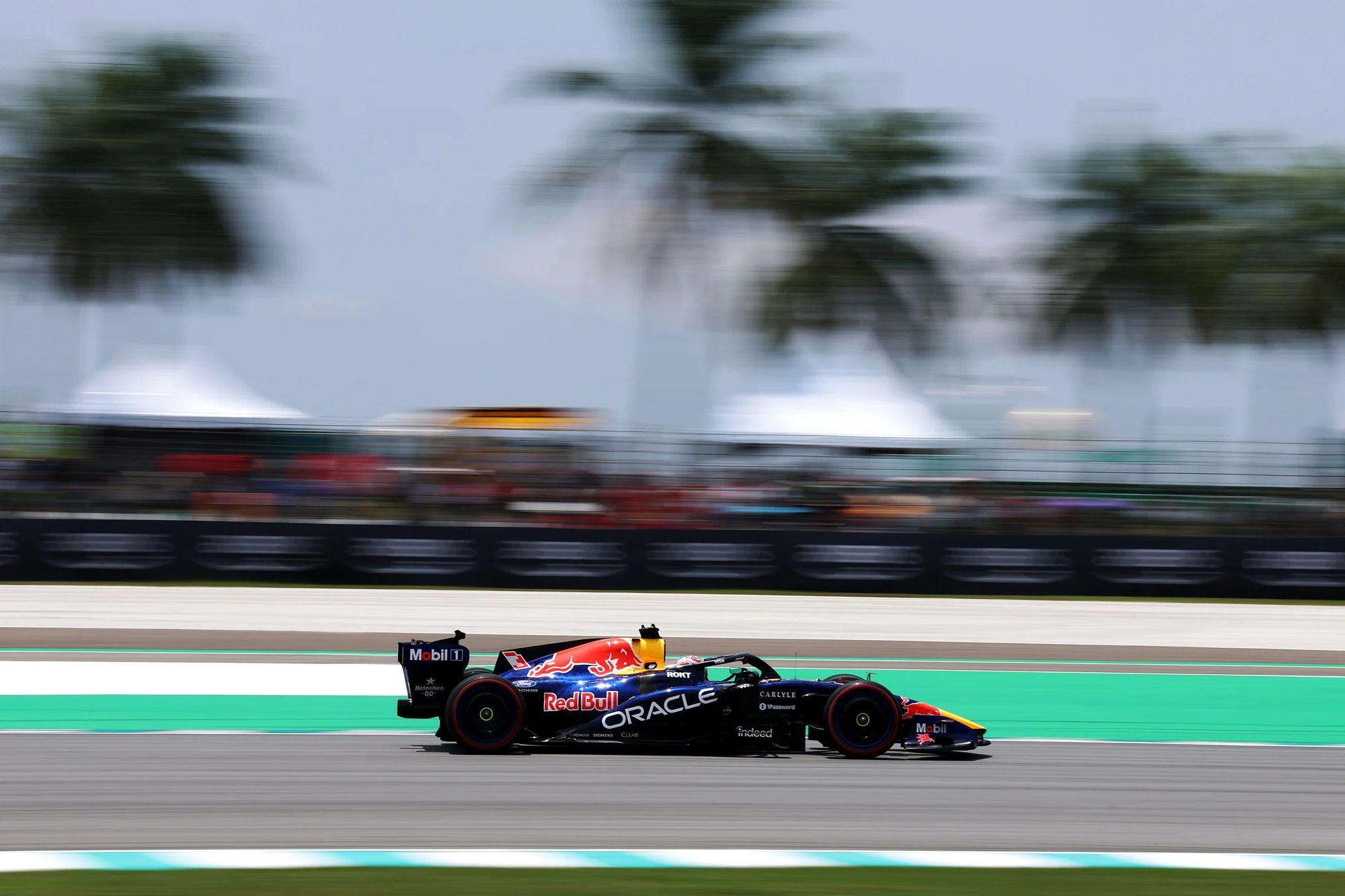
Red Bull Racing had what was considered a positive start to Formula 1’s return to Sepang, and Pierre Waché identified signs of evolution in the RB22 package. Max Verstappen was fastest in FP1 and finished FP2 with the fourth-best time.
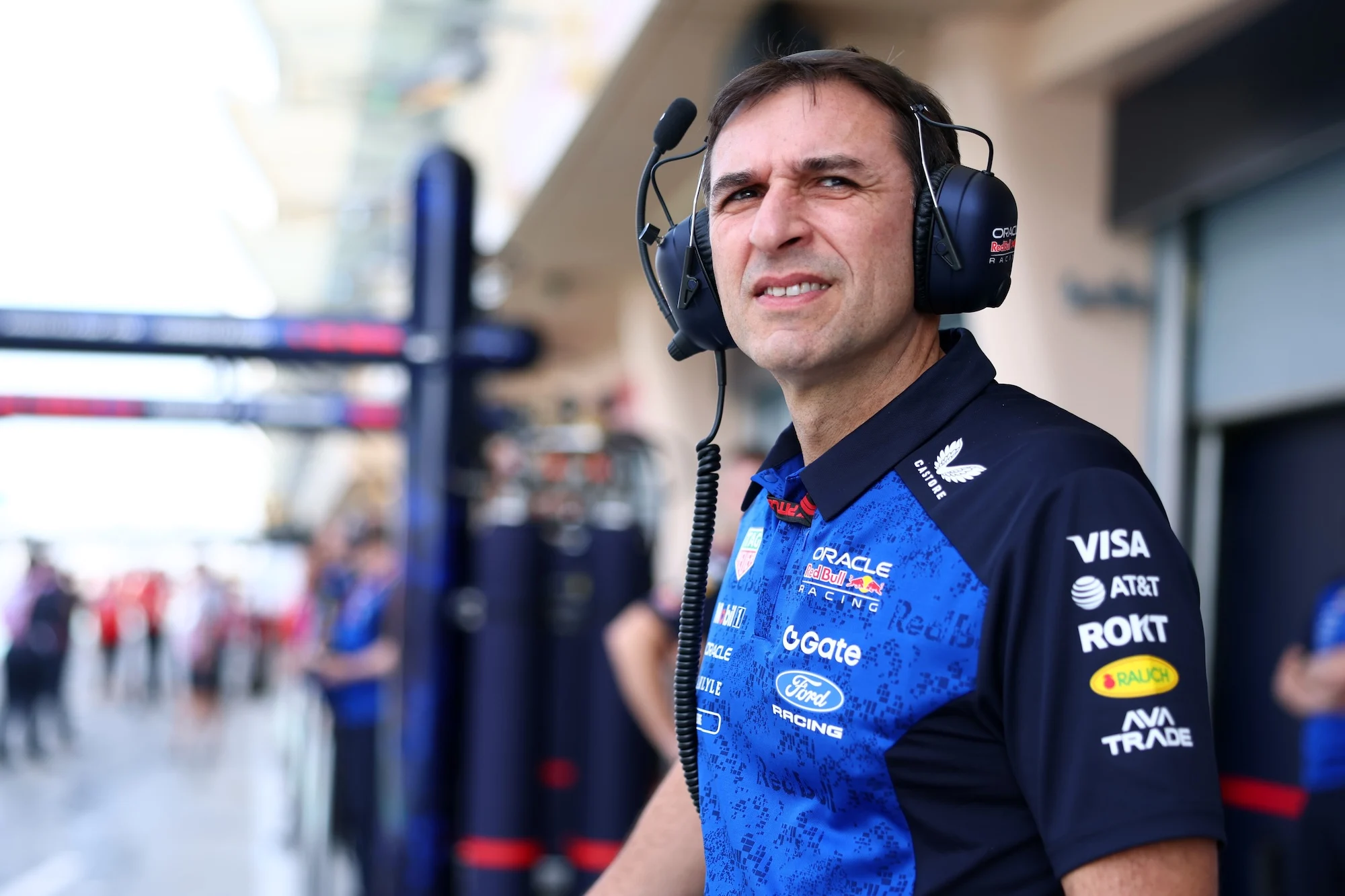
The team’s technical director highlighted that updates initially introduced at the Azerbaijan GP seem to work better in Malaysia. The analysis, however, remains preliminary, as track conditions and the different session programs made direct comparison difficult.
“It was a challenging day here in Sepang, but also very interesting. It was quite demanding for the drivers and for the car because of the heat, but I think we had a good start to the weekend,” Waché stated.
Red Bull began the day by assessing the package used in Baku, with particular attention to how the car behaved in low-speed corners. The track was fairly dusty and displayed significant changes in grip throughout the day, but the French engineer assessed that the setup delivered an improved response.
“Overall, it seems to be working better than what we brought last weekend,” Waché highlighted. In FP2, the team expected rain, but since it did not materialize, they prioritized a race simulation with the medium tires to gather data on behavior and degradation.

That choice prevented Verstappen from using the soft compounds in the second session, while Isack Hadjar had the opportunity to carry out that assessment. The Frenchman also faced some balance issues that Red Bull aims to fix overnight.
Verstappen, for his part, took a cautious stance when evaluating the day: “We started well, but there is a lot of degradation and it is very hot, so there are many things to analyze on the tires,” the Dutch driver added, also highlighting the difficulty of directly comparing the two sessions due to the temperatures and the different compounds used.